
Production Equipment
Welding Robot Financing
Finance welding robots for your production line. MIG, TIG, spot, and arc welding cells from FANUC, KUKA, ABB, and Yaskawa. Application-only up to ~$400k, funding in about 1-2 weeks.
Start Review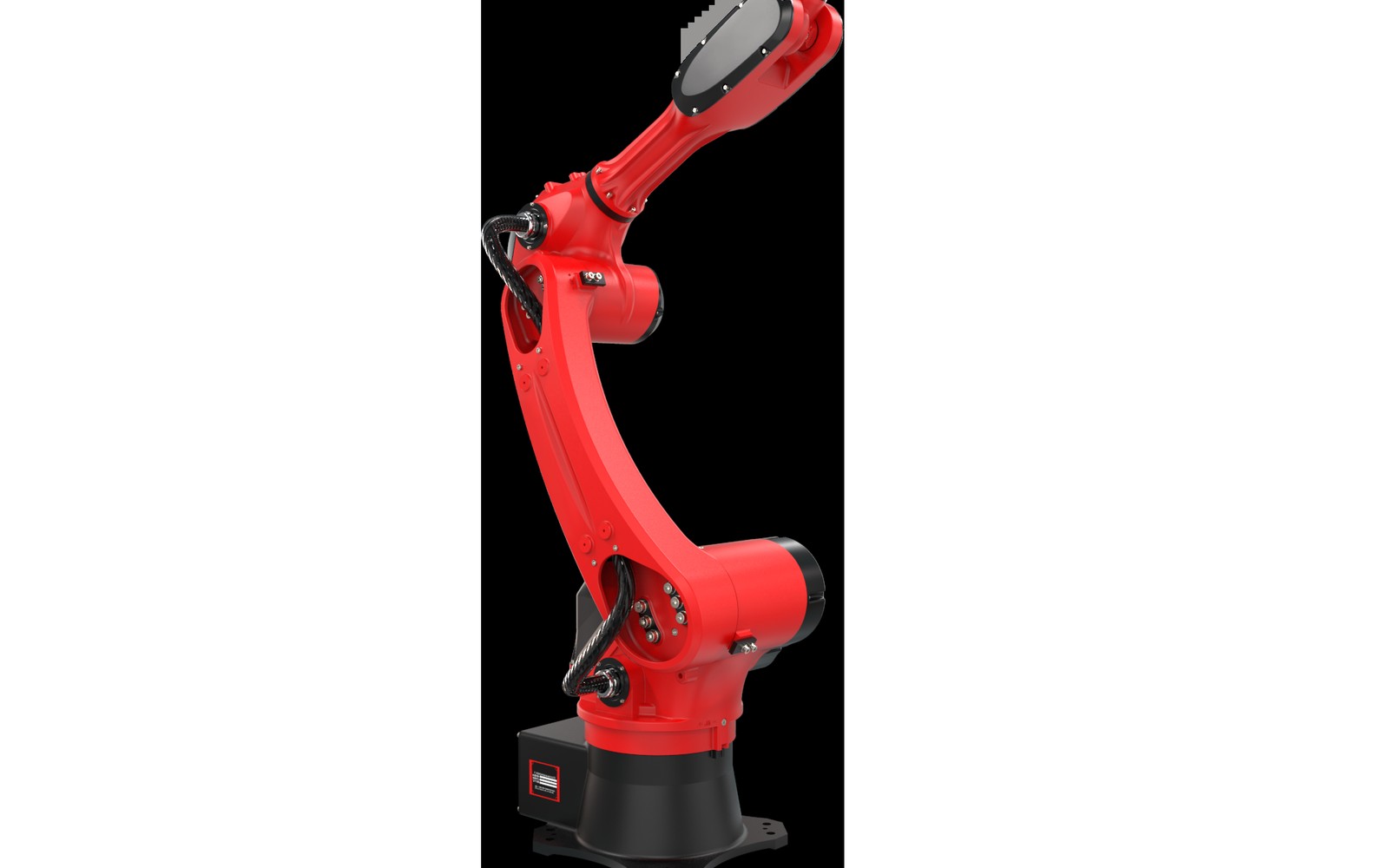
The weld joint is often the bottleneck that nobody wants to name. Manual welding stations run at inconsistent speeds, and the variation compounds downstream: rework queues grow, throughput drops, and the line that should be outputting two thousand pieces per shift is outputting sixteen hundred. A robotic welding cell changes that math precisely because it holds arc-on time, travel speed, and torch angle to the same parameters every cycle. We finance those cells so the throughput gain comes before the full capital outlay does.
Welding robots span a wide range of configurations. A single-arm MIG cell handling mild steel structural parts looks nothing like a multi-station resistance spot welding line in an automotive body shop, and the price tags reflect that. Cells start around $80,000 for a compact arc welding workcell with a floor-mounted six-axis robot and positioner, and large multi-robot spot welding systems in tier-one automotive plants run into the millions. We work across that full spectrum, with a practical minimum around $50,000 and a sweet spot landing between $100k and $500k where application-only financing keeps the paperwork light. Larger cells get the same attention with a full financial package review.
What a Welding Robot Cell Actually Includes
Buyers sometimes price the robot arm and forget the rest. A complete welding cell is a system: the robot, the welding power source, the wire feeder, the torch, a positioner or fixture to hold the workpiece, safety fencing or a light curtain, and the controller with the weld schedule library. Each component affects the total financed amount, and we structure around the whole system cost, not just the arm.
Arc welding robots, which includes MIG and TIG applications, are the most common cells we see in fabrication shops, trailer manufacturers, and structural steel operations. Spot welding cells are concentrated in automotive and appliance manufacturing, where the weld schedule runs hundreds of spots per minute with gun forces measured in kilonewtons. Laser welding heads mounted on six-axis arms are increasingly common in medical device and electronics enclosure work, where heat-affected zone control is critical. Plasma and friction stir variants exist at the specialty end. Whatever the process, the financing structure follows the same logic: identify the total installed system cost, structure a term that matches useful life, and keep monthly cash impact below the labor and rework savings the cell generates.
Robot makes that come through our pipeline most often include FANUC robotic systems, KUKA welding robot lines, ABB arc and spot welding robots, and Yaskawa Motoman welding cells. Each manufacturer has preferred integrators and programming platforms, and we do not require you to change any of that to qualify for financing.
Who Finances Welding Robots Through Us
The operators calling us about welding cells break into a few clear groups. The first is the fabrication shop that has been running the same manual MIG stations for years, has landed a new production contract that requires consistent weld quality documentation, and needs the cell operational before the first delivery window. They cannot wait six months for a bank SBA process. They need a decision in days and funding in about two weeks.
The second group is an Automotive Parts Suppliers (Tier 1/2) adding spot welding capacity for a new model launch. These buyers often have good credit and existing banking relationships, but they want to preserve working capital for tooling and launch costs, so financing the robot cell off-balance-sheet or through an operating lease makes more sense than writing a check.
The third group is the contract manufacturer expanding into a new material or process. A shop that has done aluminum MIG for years just won a job requiring stainless TIG, and the new cell is required to make the program work. Sometimes the credit profile is thinner than the contract value suggests, and B/C credit programs handle those situations. We consider the asset quality and the contract backing alongside the business credit score, not instead of it.
Shops in Metal Fabrication and Automotive Manufacturing make up the largest share of welding robot financing requests we process.
New Versus Used Welding Cells
Used welding robots are a real market. A well-maintained FANUC ARC Mate 100iD or KUKA KR 6 R700 with low cycle counts and documented preventive maintenance history is a legitimate asset that a plant engineer can put back into production. We finance used cells, and the underwriting looks at age, documented hours or cycles, and the condition report from the integrator doing the rebuild or checkout.
The caution on used equipment is integration cost. An older robot arm may need a new controller to support modern weld software, a new torch and liner, and updated safety guarding to meet current OSHA and RIA R15.06 standards. Those integration costs add to the total project, and the financing should wrap the whole installed cost, not just the arm acquisition price. We structure used equipment deals on terms appropriate to the remaining useful life, which typically means shorter terms for cells over ten years old.
New systems from major integrators come with warranty coverage, programming support, and parts availability that used systems cannot always match. For a high-volume line where downtime cost is significant, the total cost of ownership math often favors new. Used equipment financing is available either way, and so is Equipment Leasing for operators who prefer to return the cell at the end of term rather than own aging technology outright.
How Fast Can This Close
For cells under roughly $400,000, the process is application-only: business name, three months of bank statements, and ownership information. No tax returns, no audited financials. A credit decision comes back in one to two business days. Funding follows within about a week to ten days after documentation is complete. If the integrator has a lead time on the cell itself, the financing can be committed before the equipment ships so the purchase order goes out without delay.
Larger projects, multi-robot systems, or turnkey integration packages with significant software and controls costs may require a full financial package: two years of business tax returns, a year-end balance sheet, and interim financials if the fiscal year ended more than six months ago. The timeline extends to two to three weeks, but these are manageable. Projects we have seen structured this way include complete spot welding lines for body panels and multi-arm arc welding cells for heavy structural fabrication.
Refinancing an existing cell you already own is also an option. If the cell is paid off and sitting on the balance sheet, a sale-leaseback arrangement converts it to cash while you keep using it. That capital can fund the next capacity addition, tooling, or working capital needs without taking on unsecured debt.
Get a Welding Robot Financing Quote
Tell us the cell configuration, the total installed cost, and the timeline. We will match you with the right structure and come back with terms in one to two business days. No obligation, no long forms to start.
Questions About Welding Robot Financing
Clear answers on equipment eligibility, documentation, timing, and transaction structure before you send the file.
Can I finance the full turnkey installation, including the integrator's labor and programming?
Yes. We structure around the total installed cost of the welding cell, which includes the robot arm, welding equipment, positioners, safety guarding, and the integrator's installation and programming fees. The system needs to be operational to generate the throughput the financing is based on, so wrapping all of it into one facility makes sense.
My shop has a below-average credit score due to a rough year two years ago. Can we still qualify?
B and C credit situations are handled regularly in this asset class. A welding robot is a productive, financeable asset with a strong secondary market, and lenders who specialize in manufacturing equipment weigh the asset quality and business trajectory alongside the score. We match applications to lenders whose programs fit the credit profile, so a score in the low-to-mid 600s is not automatically disqualifying.
I have a welding robot we bought three years ago and still owe on it. Can I refinance it?
Yes, if the current payoff is less than the asset's current market value. We look at the outstanding balance, the age and condition of the cell, and the remaining useful life. If there is equity in the asset, a refinance can lower your monthly payment or pull cash out for other plant needs.
Is a sale-leaseback possible on a welding cell my company owns free and clear?
It is. A sale-leaseback on a paid-off welding robot converts a static asset on your balance sheet into working capital. You sell the cell to the lender, receive the cash, and lease it back under a structured monthly payment. You continue operating the cell without interruption. This is particularly useful when the next capital project needs funding but the business does not want to take on additional unsecured debt.
Does the robot need to be installed and operational before funding releases?
Not necessarily. For purchase transactions where you are buying from an integrator, funds typically go directly to the vendor at the time of equipment delivery or acceptance, depending on how the integrator's payment terms are structured. We coordinate the disbursement timing with the transaction so you are not advancing cash out of pocket waiting for the financing to close.
Finance Your Welding Robot Financing
Send the equipment quote, seller details, price, deposit, and delivery schedule. The financing desk will review the file and return a practical next step.