
Production Equipment
Belt Conveyor Financing
Finance flat belt, cleated belt, and modular plastic belt conveyors for food processing, packaging, and manufacturing. $50k minimum, fast approvals.
Start Review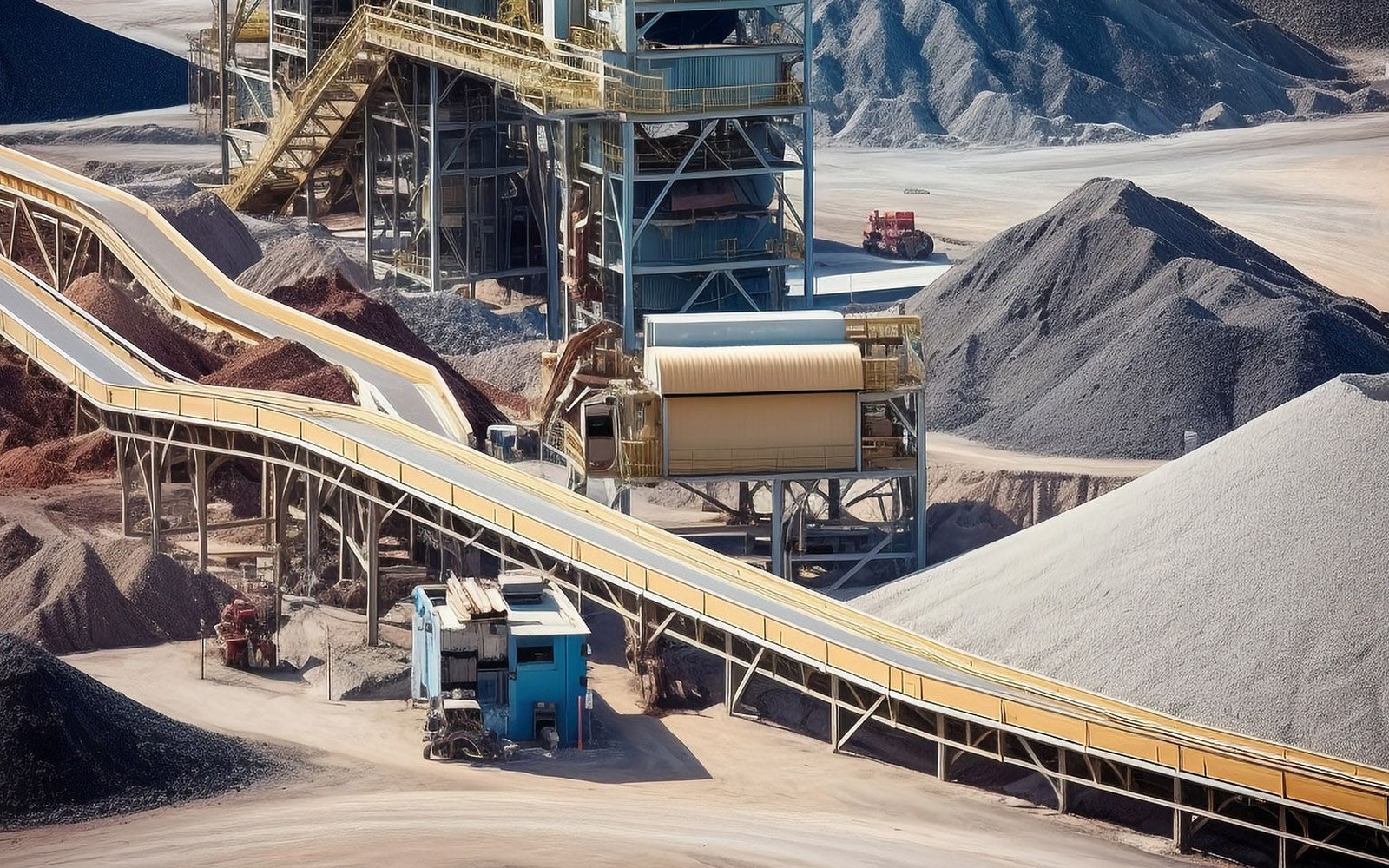
Flat belt, cleated belt, magnetic belt, modular plastic belt. The format changes with the application, but the problem is the same: product needs to move at a controlled rate without damaging the load, without stopping the line, and without creating a maintenance headache that kills uptime. Belt conveyor financing is one of the most straightforward asset financing requests we handle, because the equipment has strong residual value, a long service life when properly maintained, and a production contribution that is easy to quantify.
A typical belt conveyor for a food or consumer goods application runs from a few thousand dollars on the low end for a short tabletop unit to $50,000 or more for a sanitary stainless-steel incline belt with variable-speed drive and integrated guarding. Multi-zone belt systems that link an entire production line can exceed $500,000 once drives, controls, and structural supports are included. We finance projects starting at $50,000 as a standalone belt conveyor or as part of a broader Conveyor System Financing upgrade.
The industries we see most often on belt conveyor requests are food processing and packaging, consumer packaged goods, pharmaceutical, and general manufacturing. Each has different material and sanitation requirements, which affects the belt specification and the per-foot cost, but the financing structure follows the same principles: full advance on the installed system, terms matched to the asset life, and a credit process that does not require months of bank engagement to complete.
Belt Types and Their Cost Implications
The belt material is the first major cost variable. Solid woven PVC and PU belts are standard in dry goods and general manufacturing, covering most light to medium duty applications at reasonable cost. Modular plastic belting, made from interlocked polypropylene or acetal links, is common in food processing because it allows direct washdown, supports drainage through open hinges, and replaces in sections rather than as a full belt, which reduces both maintenance cost and downtime.
Stainless steel wire mesh belts appear in high-temperature applications, cooling tunnels, and baking lines where product needs airflow through the belt surface. These are heavier-duty and more expensive per square foot, but their service life in demanding environments often justifies the premium.
Cleated belts serve incline applications, holding product in place on grades that a flat belt cannot manage. A cleated incline belt in a snack food or frozen food plant moving product from a freezer to a packaging infeed is a common application. The cleat profile must be matched to the product geometry; wrong cleats cause product damage and frequent rejects that immediately erode the throughput the belt was purchased to create.
For financing purposes, all of these belt types qualify. The lender cares about the installed cost, the useful life, and whether the system is integral to the operation. A stainless sanitary belt system in a Food & Beverage Manufacturing with documented throughput is a clean financing asset.
Typical Terms for Belt Conveyor Projects
Belt conveyor projects landing between $50k and $200k are generally our most straightforward transactions. An application and three months of bank statements are often all that is required below $400,000. Terms of 48 to 60 months are typical, though 72-month terms are available for larger, new-equipment installations where the asset life supports the longer period.
Down payment requirements vary. Borrowers with solid credit and at least two years of operating history commonly see no-down or low-down structures, particularly on new equipment. If the credit profile is mixed or the business is newer, a 10 to 20 percent down payment often unlocks a broader range of lenders. We will tell you upfront what the structure looks like before you spend time on paperwork.
For operations that need belt conveyor capacity quickly, we also offer Application-Only Equipment Financing for Production Lines for single-asset projects within the eligible limit. This skips the financial statement step entirely and is designed for the plant manager who needs to approve a line addition before the next production run.
Pulling Capital Out of Belt Conveyor Equipment You Already Own
Plants that built out their conveyor infrastructure with operating capital in the last few years often have substantial equity sitting in that equipment. A belt conveyor system that cost $300,000 to install three years ago and is free and clear can support a cash-out refinance or sale-leaseback that converts that equity into working capital for your next project.
The Cash-Out Refinance for Production Line Equipment puts a lien on the equipment and funds you a lump sum. The leaseback sells the equipment to the finance company and immediately leases it back to you, so the belt stays on the floor and you continue running the line while receiving the cash. Both structures are available; the right choice depends on your balance sheet goals and how you want to handle equipment ownership at the end of the term.
We have done leaseback transactions on belt conveyor systems in food plants, distribution centers, and pharmaceutical facilities. The key criterion is that the equipment is in good working condition, installed and operational at a verifiable address, and has a documented purchase history that supports the appraised value.
Questions About Belt Conveyor Financing
Clear answers on equipment eligibility, documentation, timing, and transaction structure before you send the file.
Can I finance a belt conveyor that is being purchased used from another plant?
Yes. We finance used belt conveyors regularly. We need a purchase agreement, documentation of the belt's condition (inspection photos, maintenance records if available), and serial numbers. Used stainless systems in good condition often appraise well and finance at strong advance rates.
My project is a replacement belt for an existing line, not a new conveyor. Does that still qualify?
A complete belt replacement that involves new hardware installed at your facility is financeable as a capital improvement. If you are just replacing the belt material on an existing frame, that is typically a maintenance expense rather than a capital purchase and would not meet our minimum.
We operate a <a href='/industries-served/contract-packaging-co-packers'>co-packer facility</a> and run multiple product types. Does the multi-product nature complicate the financing?
Not significantly. Co-packers finance conveyor equipment regularly. The flexibility of the equipment is actually a positive for the collateral analysis, since a general-purpose belt conveyor is easier to repurpose and retain value than a highly application-specific line.
What happens if the conveyor breaks down during the financing term?
Financing terms do not include maintenance provisions. You are responsible for keeping the equipment operational, just as you would be with an owned asset. We recommend confirming that your property and equipment insurance covers the financed value, since most lenders require loss-payee status on the policy.
Can I add a belt conveyor to an existing equipment loan?
Generally no, but we can structure a new standalone loan for the additional belt that runs concurrently with your existing facility. If the new project is large enough, it may make sense to consolidate into a new combined facility, which is worth discussing on a case-by-case basis.
Finance Your Belt Conveyor Financing
Send the equipment quote, seller details, price, deposit, and delivery schedule. The financing desk will review the file and return a practical next step.