
Manufacturing Market
Beverage Bottling & Canning
Finance bottling lines, canning systems, fillers, cappers, and labelers for beverage producers. Fast decisions, new and used equipment, $50k minimum.
Start Review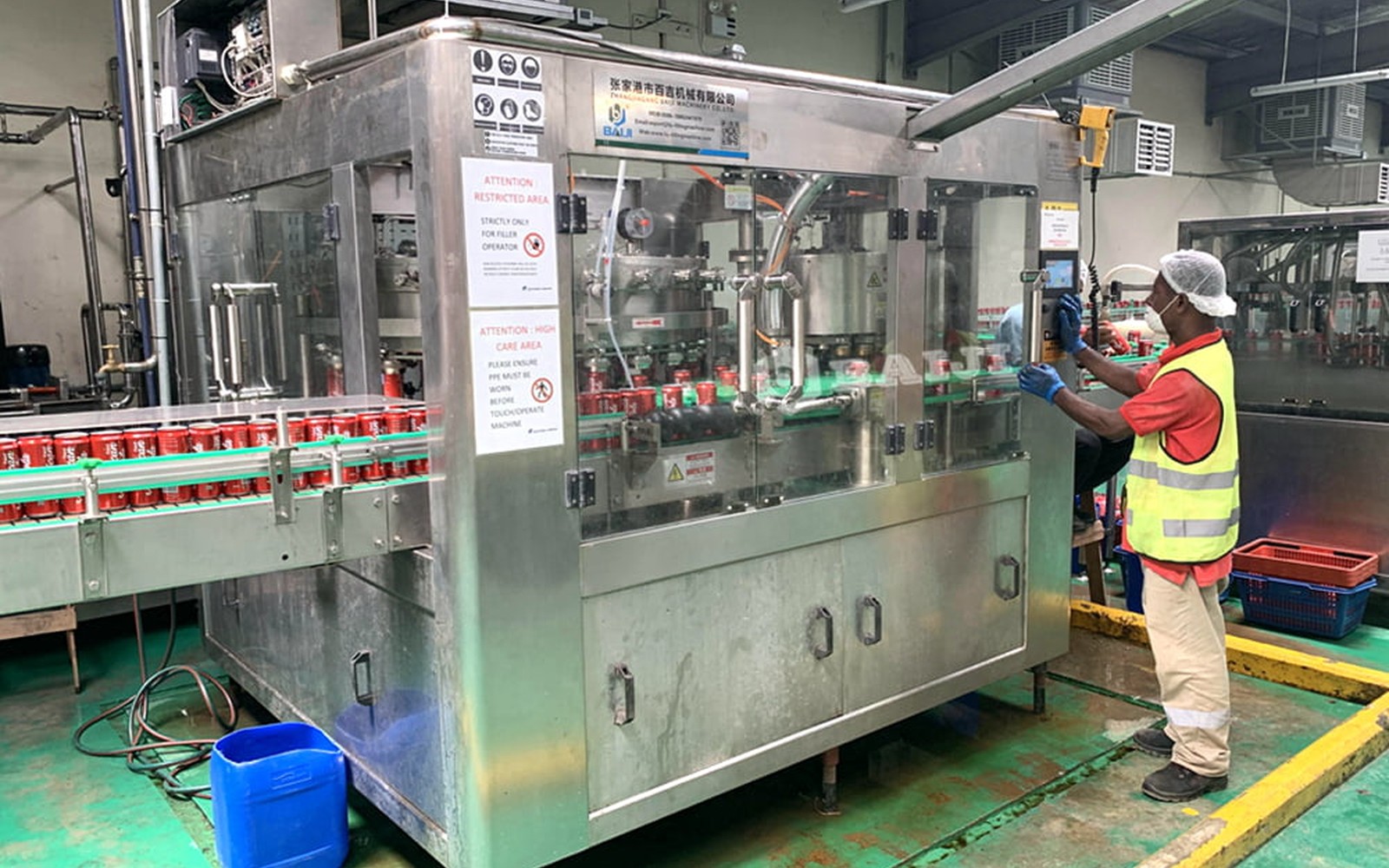
The bottleneck on a bottling or canning line is never abstract. It shows up in units per minute on the filler, in downtime logs on the seamer, in a capper that cannot keep pace with the conveyor. Beverage producers who have tracked their OEE know exactly which station is costing them cases, and that station is where the financing conversation starts.
We finance equipment for beverage bottling and canning operations of every scale, from craft breweries and RTD brands running a few thousand cases per day to regional distributors and private-label beverage manufacturers running continuous shifts. The asset classes span the full line: blow molders, fillers, cappers, labelers, pasteurizers, tunnel warmers, and palletizers. We handle transactions from $50,000 for a single critical station up through complete line builds in the seven figures.
Beverage production runs on margin, and tying up cash in equipment when financing is available does not serve a growing brand. We structure deals as loans or leases depending on your tax and balance sheet objectives, and we fund within one to two weeks of a completed application for most transactions.
Line Equipment We Finance
Blow Molding
For PET bottle producers, a blow molder running below rated output is a capacity constraint that compounds through the entire line. Linear and rotary stretch blow molders range from compact single-cavity machines for small-batch premium beverages to high-speed rotary platforms running tens of thousands of bottles per hour. The capital investment is significant, but the useful life on a well-maintained machine can exceed fifteen years, which supports longer financing terms.
Filling Systems
Gravity fillers, counter-pressure fillers for carbonated products, aseptic fillers, and hot-fill systems each serve a distinct product category. We finance Liquid Filling Machine Financing across all these formats, and we understand the valuation differences between a standard gravity filler and an aseptic system with proprietary sterilization technology. Brand-specific equipment from Krones, Sidel, and KHS carries strong secondary market value that benefits the financing structure. We handle Krones equipment financing and KHS line financing on a regular basis.
Canning Lines
The ready-to-drink category has driven significant capital investment in canning equipment over the past decade. Can fillers, seamers, rinsers, and date coders form the core of a canning line, and we finance them as complete systems or individual assets through Canning Line Financing. Used canning equipment from reputable manufacturers holds value well and often represents significant savings over new, with equivalent throughput capability.
Downstream Equipment
Tunnel pasteurizers, tunnel warmers, label applicators, multipack machinery, and palletizers round out the line. A label applicator running below rated speed introduces a downstream constraint that the filler cannot compensate for. We finance Labeling Machine Financing and Palletizer Financing both as standalone transactions and as part of line financing packages.
New Equipment vs. Used Equipment: Making the Right Call
New equipment comes with OEM warranty, current control technology, and known maintenance history. For a high-speed filler or a canning seamer where downtime has a direct revenue cost, new equipment is often the right call even at a higher purchase price, because the reliability differential justifies the premium.
Used equipment, particularly from major brands, can deliver equivalent throughput at 40 to 60 percent of new cost. A five-year-old Krones filler that has been properly maintained is a reliable machine, and the difference in purchase price can finance additional capacity elsewhere on the line. We finance Used Production Line Equipment Financing for beverage operations regularly, and we work with independent appraisers to establish fair market value when needed.
The tradeoff depends on the specific asset, the production environment, and the business's capital priorities. A craft beverage brand scaling from contract packaging to owned production may prefer used equipment for the first line and upgrade to new once the brand has proven retail velocity. We structure either path.
Financing Terms for Beverage Equipment
Term length for beverage line equipment typically runs 36 to 84 months depending on asset type, transaction size, and credit profile. Shorter terms reduce total interest cost but increase monthly payment. Longer terms improve cash flow but extend the obligation beyond the asset's peak productive life in some cases. We discuss the tradeoffs plainly before you choose.
Lease structures including fair market value leases and dollar-buyout leases are both available. An FMV vs. $1 Buyout Lease comparison is worth reviewing before committing to a structure, particularly for high-value filling equipment where the end-of-term residual question is significant. A dollar-buyout lease functions like a loan with a $1 purchase at end of term; an FMV lease keeps your monthly payment lower in exchange for a purchase option at the end based on then-current market value.
Section 179 and bonus depreciation provisions can make a loan or dollar-buyout lease structure significantly more attractive in tax terms for profitable beverage businesses. We are not tax advisors, but we can structure the transaction to preserve those options and recommend you discuss them with your accountant.
Start the Conversation on Your Line
Whether you are expanding a canning line, replacing a filler, or financing a complete line build, we want to hear about the project. Give us the equipment list and your timeline and we will put together structure options within 24 hours.
Questions About Beverage Bottling & Canning
Clear answers on equipment eligibility, documentation, timing, and transaction structure before you send the file.
Can a craft brewery with two years of financials qualify for a canning line?
Yes, in many cases. We look at cash flow, account relationships, and the equipment's stand-alone value alongside the credit profile. A canning line with strong secondary market value is better collateral than many lenders give it credit for, which gives us room to work with businesses that do not have spotless credit files.
Can I finance a complete line including installation and commissioning costs?
Some soft costs, including freight, installation, and commissioning, can be rolled into the financing depending on the deal structure and lender guidelines. Tell us the full project budget and we will structure around what is reasonable. The equipment itself always forms the core of the collateral.
I have a filler I still owe money on. Can I refinance it and get a lower payment?
Yes, if the current market value of the filler exceeds the payoff balance, refinancing can reduce the monthly payment and potentially extend the term. We evaluate current value against payoff and structure a new transaction from there. This is a common situation for businesses that financed at higher rates two or three years ago.
What is the difference between a loan and a lease for a bottling line?
A loan gives you ownership from day one and typically qualifies the full purchase price for Section 179 or bonus depreciation. A lease may offer lower monthly payments and off-balance-sheet treatment depending on structure. The right choice depends on your tax position and whether you want to own the asset at the end of term. We can walk through both scenarios with your specific numbers.
Finance Your Beverage Bottling & Canning
Send the equipment quote, seller details, price, deposit, and delivery schedule. The financing desk will review the file and return a practical next step.