
Service Area
Production Line Equipment Financing in Chicago, IL
Finance production line equipment in Chicago, IL. Food processors, CPG manufacturers, metalworkers, and distribution centers. Fund in 1-2 weeks.
Start Review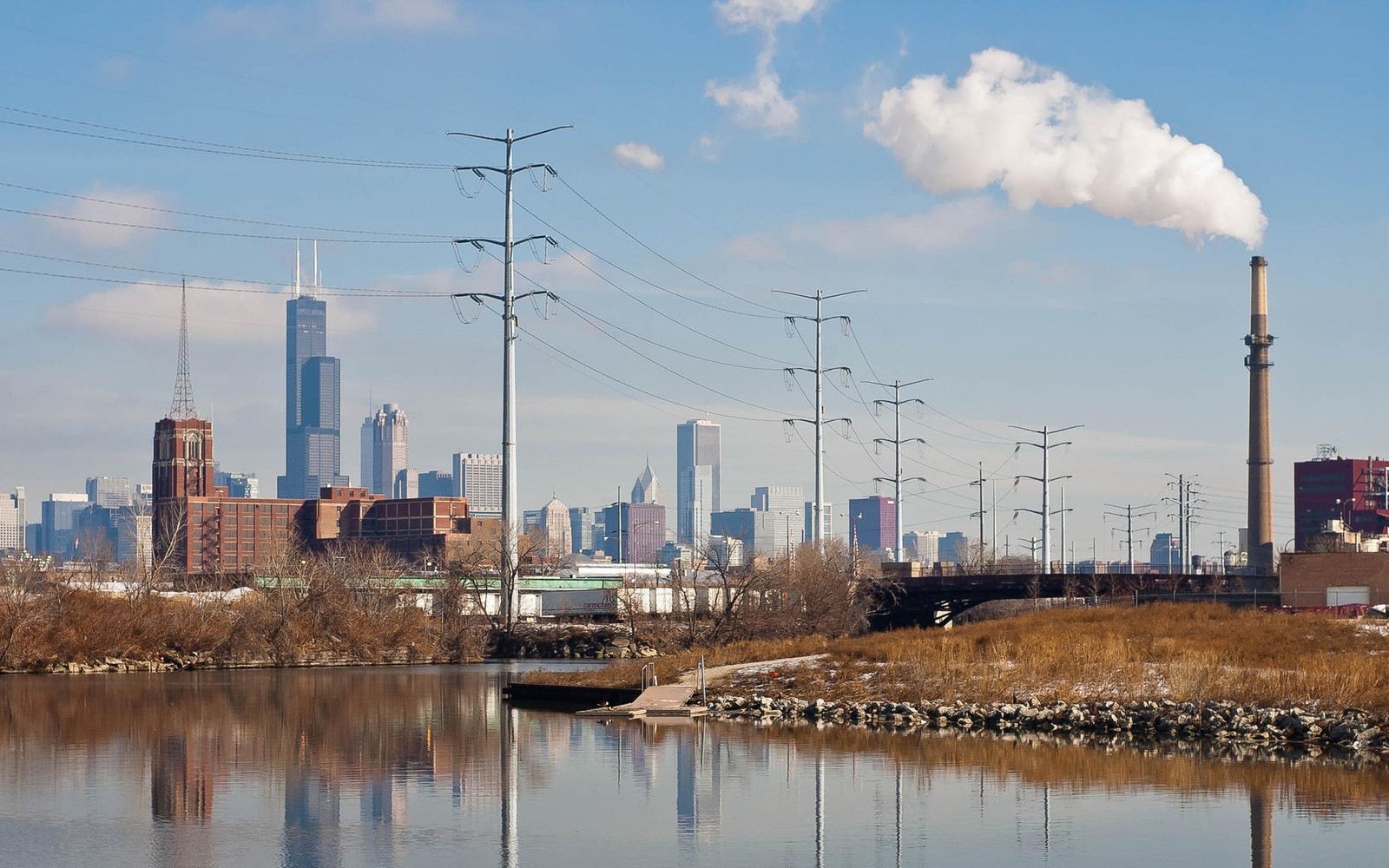
Chicago's manufacturing economy is the second largest in the country by employment, and the equipment that runs those plants covers every category we finance. Steel service centers and metal fabricators on the south side, food processing and beverage lines in the north and northwest suburbs, pharmaceutical and nutraceutical manufacturing along I-290, and distribution centers handling millions of cases a year across the metro region. The common thread is throughput. A line that is slow, unreliable, or missing a station is costing a Chicago plant money against some of the tightest production windows in American manufacturing. We finance the equipment that clears those bottlenecks, with a $50,000 minimum and a typical funding window of one to two weeks.
We work with Consumer Packaged Goods (CPG) throughout the Chicago metro, from suburban Schaumburg and Elk Grove Village to south suburban Bolingbrook and Joliet. The scale here is often larger than secondary Midwest markets. A CPG plant in the Chicago area might run three or four lines simultaneously and need capital for multiple assets at once. We handle those as fleet transactions or phased line upgrades depending on the plant's preference.
Chicago's Manufacturing Landscape
The Chicago area is home to several distinct manufacturing clusters. The food and beverage processing sector is enormous, concentrated in the northwest suburbs and in the city's industrial corridors. Facilities here run bottling lines, co-packing operations, frozen food production, and snack food manufacturing at scale. Many Chicago-area food plants run multiple shifts and require packaging and filling lines with the uptime metrics of a continuous process, not a discrete manufacturer.
Metal fabrication remains a core part of Chicago's industrial identity. South side and Calumet region steel processors, stamping houses, and structural fabricators run press lines, laser cutting systems, roll forming equipment, and automated welding cells. These operations tend to have large equipment with long useful lives and significant residual value, which makes them excellent candidates for Equipment Refinancing and sale-leaseback structures.
The northwest suburbs also host a concentration of Pharmaceutical Manufacturing and nutraceutical producers. These facilities run high-specification filling and packaging lines under FDA oversight. Financing for pharmaceutical-grade equipment has some nuance around validation and installation documentation, but the financing structure itself is not materially different. We've financed these assets before.
Distribution and logistics infrastructure in Chicago is massive. Third-party logistics operators, Amazon-scale fulfillment centers, and regional DC operators have made significant investments in Automated Storage & Retrieval System (AS/RS) Financing, sorters, and autonomous mobile robots to handle Chicago's role as a national distribution hub.
What We Finance
Nearly anything with a serial number on a production or distribution floor qualifies. Packaging lines including form-fill-seal systems, Filling Machine Financing, and labelers. Robotic palletizers and depalletizers. Conveyor and sortation systems. CNC machining centers and press lines. Injection molding equipment. Automated assembly systems. Vision and inspection systems. Automated guided vehicles and autonomous mobile robots.
Minimum transaction size is $50,000 and most Chicago manufacturing transactions land between $100,000 and several million dollars. Our application-only track handles single assets or small line segments up to approximately $400,000 with just a credit application and three months of bank statements. Larger transactions get a fuller look but still move in days rather than months.
Used equipment is fully within scope. Chicago's dense manufacturing economy generates significant equipment turnover as plants retool, close, or consolidate. A well-maintained press or packaging machine from a Chicago-area plant liquidation is a credible financing target, and we've underwritten used assets from local dealers, auction results, and private transactions.
Structures That Work for Chicago Operations
Larger Chicago manufacturing operations often benefit from master lease facilities rather than individual transaction financing. A blanket credit line approved at a facility level means that when you need to add a station, replace a failing conveyor section, or bring in a new palletizer, you're drawing against an existing approval rather than submitting a new application. The process becomes operational rather than a financing event every time.
For plant engineers and operations managers dealing with capital expenditure cycles tied to fiscal year budgets, deferred-start structures can be useful. Equipment financed with a 90-day deferred first payment gives the plant time to install, commission, and verify line performance before the payment obligation begins. Not every transaction qualifies for this, but it's a structure worth asking about if commissioning timelines are tight.
Sale-leaseback is a structure Chicago operations use to recapitalize mature equipment assets. A bottling line paid off three years ago still has appraised value. Converting that value to cash through a Sale-Leaseback puts operating capital to work without taking on a bank line of credit or diluting equity. The line stays on the floor and keeps running.
Questions About Production Line Equipment Financing in Chicago, IL
Clear answers on equipment eligibility, documentation, timing, and transaction structure before you send the file.
Can you finance a full line upgrade at a food plant running under an FDA facility registration?
Yes. We finance food-grade and pharmaceutical-grade equipment regularly. FDA registration and cGMP requirements affect the equipment spec and the installation process, not the financing structure. The underwrite looks at the business and the asset, same as any other transaction.
We need to finance a line expansion across multiple quarters. Can you structure phased draws?
Yes. Phased or progress-draw structures work well for multi-quarter capital projects. We establish an approved facility and fund each draw as equipment is ordered or delivered. This is common for Chicago operations adding capacity in stages to manage production continuity during the expansion.
What's the minimum credit score needed to qualify?
We don't publish a minimum credit score because it's only one factor in a holistic review. B and C credit profiles are considered. What matters most is the business's current cash flow, the bank statement picture, and the strength of the collateral. A plant with one difficult credit year but solid recent bank statements is often approvable.
Can I include installation and freight costs in the financed amount?
Soft costs like freight, rigging, and installation can often be rolled into the financed amount up to a percentage of the hard asset value. The threshold varies by transaction. Mention these costs when you apply and we'll tell you what's includable.
How does a sale-leaseback affect our balance sheet compared to a new loan?
A sale-leaseback converts an illiquid asset to cash, which improves liquidity ratios. The lease obligation appears as a liability, but the cash shows as an asset. The net effect on debt ratios depends on the specific structure. Your accountant should review the accounting treatment before you commit.
Finance Your Production Line Equipment Financing in Chicago, IL
Send the equipment quote, seller details, price, deposit, and delivery schedule. The financing desk will review the file and return a practical next step.