
Financing Option
Sale-Leaseback
Sell production equipment you already own, lease it back, and put the cash to work on the plant floor. We structure sale-leasebacks from $100k on manufacturing and processing assets.
Start Review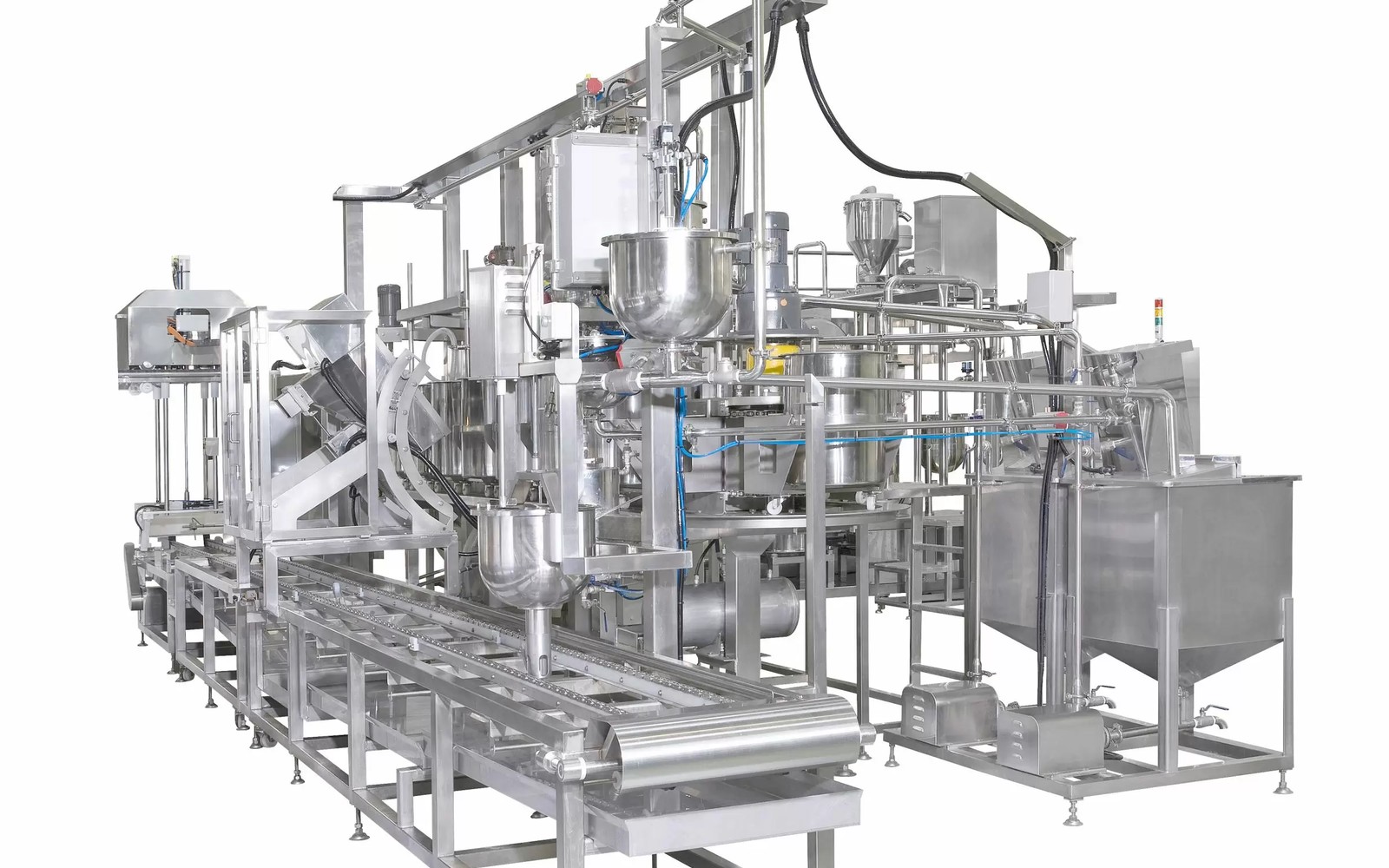
Capital tied up in production equipment that is already paid off is dormant capital. A sale-leaseback converts it. You sell the equipment to a finance company at its appraised or agreed value, the finance company leases it back to you on an agreed monthly payment, and you continue running the line without any operational interruption. The machine stays on the floor. The cash goes to work.
This is one of the few financing structures that generates immediate liquidity from an asset you already own rather than from a new acquisition. Plants that went through an aggressive equipment-purchase phase and now need operating capital, expansion funds, or bridge capital for a new line often find that the equipment already on the floor is the most accessible source of that funding. We evaluate sale-leaseback requests from $100,000 upward on production-line assets across manufacturing, food processing, packaging, and industrial automation.
How a Production-Line Sale-Leaseback Works
The mechanics run in four steps. First, we appraise or agree on the equipment value. Second, we purchase the equipment from you at that value. Third, we execute a lease agreement returning the equipment to you for a defined term and monthly payment. Fourth, you operate the equipment exactly as before while making lease payments instead of carrying the asset on your balance sheet.
At end of lease term, the structure is typically either a fair market value purchase option or a defined buyback price negotiated at origination. If your goal is to eventually reacquire full ownership, a dollar-buyout structure or a defined purchase price at term-end preserves that path. If your goal is purely to monetize the equity and then return the equipment, an operating lease with no buyout obligation is cleaner.
The transaction needs to clear two hurdles. First, the equipment must have a reasonably established fair market value. General-purpose production assets from major OEMs, including Automated Assembly Systems Financing, Palletizer Financing, and Packaging Line Financing, clear this hurdle easily. Highly customized single-purpose tooling with no secondary market is harder to appraise and harder to monetize via sale-leaseback. Second, the leaseback payment structure must fit your operating cash flow. We structure the lease term and monthly payment to ensure you can service the obligation from the line's revenue.
When Plants Turn to Sale-Leaseback
Capital for a new line segment. If you need to add capacity to a Bottling Line Financing or expand a packaging cell but do not want to dilute equity or take on another term loan, the equity sitting in existing equipment can fund that expansion without touching your credit lines. The sale-leaseback on existing assets generates the down payment or full purchase price for the new equipment.
Working capital squeeze. Manufacturers running seasonal demand patterns, large contracts, or rapid SKU growth sometimes face a cash crunch that has nothing to do with profitability. The business is producing and billing, but cash is tied up in receivables or inventory. A sale-leaseback on owned equipment provides a lump sum that bridges the gap without the complexity of an asset-based loan against receivables.
Debt restructuring. Some operators use a sale-leaseback to retire higher-rate bank debt. If the equipment equity generates enough proceeds to pay down a line of credit carrying a high rate, the net interest cost can actually decrease even after factoring in the lease payment.
We work regularly with operators in Automotive Parts Suppliers (Tier 1/2) and Plastics Manufacturing, where equipment-intensive balance sheets make sale-leaseback a recurring capital tool rather than a one-time solution.
What the Transaction Costs and How It Is Priced
The monthly lease payment on a sale-leaseback is driven by the equipment value, the lease term, and your credit profile. The implied rate is typically higher than a conventional equipment loan because the lessor is taking on residual value risk and providing liquidity on a seasoned asset rather than a new purchase. That premium is the cost of unlocking dormant equity quickly without a traditional credit event.
The total cost of the transaction needs to be weighed against the return on the capital deployed. If the proceeds fund a production improvement that generates incremental gross profit exceeding the lease cost, the transaction is accretive. If the proceeds pay down credit-card debt at 20 percent interest, the arithmetic is almost always favorable. The use of proceeds matters.
There is no standard pricing table we can publish because rate depends on equipment type, age, condition, appraised value, and borrower credit. What we can say is that the transactions we close are structured so that the plant operator can service the lease comfortably from existing line economics, not by stretching. We do not structure our borrowers into obligations they cannot support.
Questions About Sale-Leaseback
Clear answers on equipment eligibility, documentation, timing, and transaction structure before you send the file.
Does the equipment need to be paid off for a sale-leaseback to work?
Not necessarily. If the equipment has equity, meaning its current value exceeds the payoff balance, we can structure a transaction that retires the existing obligation and still delivers net cash to you. The net proceeds are simply reduced by the payoff amount. If the equipment is nearly underwater, a sale-leaseback may not generate meaningful liquidity, and a refinance to lower your payment might serve you better.
Will I lose any operational control of the equipment during the leaseback period?
No. The leaseback agreement gives you full operational control of the equipment. You run it, maintain it, and modify it within the terms of the lease. Standard lease maintenance obligations apply, meaning you keep the equipment in good working condition and carry appropriate insurance. The finance company is a passive owner; they have no presence on your plant floor.
How is the equipment valued for the sale portion of the transaction?
We typically use either a third-party appraisal or an agreed-upon fair market value based on comparable sales data for that equipment type and vintage. For common production assets with active secondary markets, an agreed value is often sufficient. For specialized or high-value equipment, a formal appraisal from an accredited equipment appraiser protects both parties and speeds underwriting.
Is there a minimum transaction size for a sale-leaseback?
Our practical minimum is $100,000 in equipment value. Below that threshold, the transaction costs become disproportionate to the liquidity generated. Most of our sale-leaseback transactions fall landing between $200k and $2k, though we do larger transactions on complete-line packages.
Can I structure a sale-leaseback to reacquire the equipment at a fixed price at end of term?
Yes. A dollar-buyout or fixed purchase-price buyback at end of lease is negotiable at origination. This preserves your path to full ownership while still generating the immediate liquidity you need. The monthly payment will be higher than on an operating lease without a buyback option because the lessor's residual risk is reduced.
Finance Your Sale-Leaseback
Send the equipment quote, seller details, price, deposit, and delivery schedule. The financing desk will review the file and return a practical next step.