
Production Equipment
Packaging Line Financing
Finance complete packaging lines, semi-automated packaging stations, and packaging line upgrades. $50k minimum, B/C credit considered, funding in 1-2 weeks.
Start Review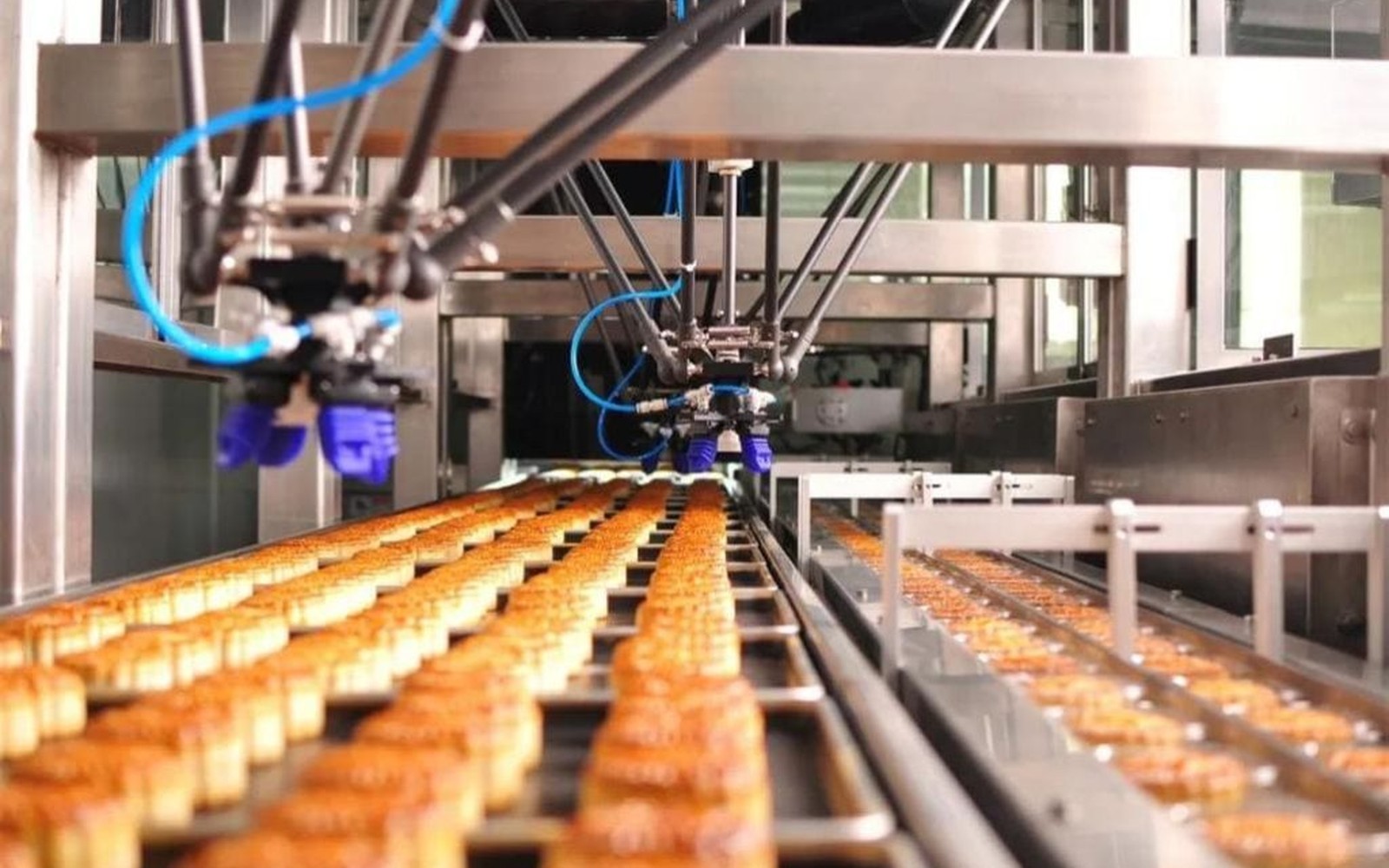
Packaging is where throughput becomes revenue. A production process that runs efficiently upstream but backs up at the packaging station is a line with a ceiling on its output. The relationship between packaging line speed and plant OEE is direct: if the filler, the capper, the labeler, and the case packer cannot keep pace with upstream production, every other station on the floor is effectively throttled. Packaging line financing lets you invest in the full line as a single capital decision instead of incremental purchases that leave the bottleneck in place.
A packaging line is typically a combination of equipment: a filler or former, a sealer or capper, a labeler, a printer-applicator, a vision inspection system, and downstream case packing and palletizing. The individual machines come from different OEMs, the integration work ties them together, and the controls layer manages the full line speed and reject handling. We treat the entire packaged scope as a single asset facility, which simplifies both the approval and the title documentation compared to financing each piece separately.
Our minimum is $50,000. A functional packaging line upgrade for a mid-size food, beverage, or consumer goods plant typically falls landing between $150k and $1k depending on the number of machines, line speed requirements, and the degree of automation. Projects in this range qualify for our standard track, and applications up to approximately $400,000 can often be processed without full financial statements.
Which Plants Finance Packaging Lines
The three buyer groups we work with most often on packaging line financing are food and beverage manufacturers, consumer packaged goods companies, and contract packaging operations. Each has a distinct reason to finance rather than purchase outright.
Food and beverage manufacturers often need to upgrade packaging lines when a retail buyer demands a new format or when a volume increase requires faster line speeds. The capital cycle in food manufacturing is already strained by commodity costs, and pulling $400,000 out of working capital for a line upgrade can leave the operation dangerously thin. Financing the equipment on a 48 to 60 month term keeps the working capital intact and lets the packaging line pay for itself from the incremental production it enables.
Consumer packaged goods companies face constant format changes driven by retail customers. A new SKU, a promotional pack size, or a club-store bundle configuration may require different sealing, labeling, or case configuration capabilities than the existing line provides. Adding that capability as a financed purchase rather than a capital expenditure keeps the project off the balance sheet (in lease structures) and preserves flexibility.
Contract Packaging & Co-Packers finance packaging equipment frequently because their entire business model depends on serving multiple brand customers with a flexible range of packaging formats. A co-packer that can offer an additional format wins contracts a less-equipped competitor cannot bid. The contract itself often serves as supporting documentation in the credit file.
Key Machines in a Packaged Line and Their Financing Fit
Understanding which machines anchor a packaging line financing project helps us structure the right facility. Filling machines are often the most expensive single asset on the line, particularly in liquid and semi-liquid applications where the filler must handle CIP, precise volumetric control, and hygienic design. Filling machine costs range from $50,000 for a simple semi-automatic volumetric filler to $500,000 and above for a high-speed rotary piston or flow-meter filler in a pharmaceutical or dairy application. These are strong collateral assets.
Case packers handle the transition from primary packaging to secondary packaging, grouping products into shippers. Depending on format, a case packer can be a wrap-around machine, a top-load pick-and-place, or a tray former and loader. Case packer costs range from $80,000 to $350,000 for standard formats, with higher costs for high-speed or multi-format machines. Cartoning machines perform a related function for products going into folding carton secondary packaging, and are often paired with a filling machine on pharmaceutical and nutraceutical lines.
End-of-line systems including vision inspection, checkweighers, and metal detectors are strong collateral assets even at lower individual prices, because their function is legally required in most food, pharma, and medical device operations. Regulators require that CCP equipment be operational, which means these machines are not easily removed from a facility, which in turn supports their value as loan collateral.
Putting the Full Line Under One Approval
Multi-machine packaging line projects benefit from a master credit facility that covers the entire scope. Instead of separate financing for each OEM, you get one approval, one monthly payment, and one documentation package. The facility draws down as each machine ships and is accepted, which means you are not paying interest on equipment that has not arrived yet.
We coordinate directly with your vendors to confirm shipment and acceptance before funding each draw. On projects with staggered delivery schedules (common when multiple OEMs are involved with different lead times), we confirm completion of each phase before releasing funds for that vendor. This protects you from funding machines that are not yet on the floor and protects the lender from funding incomplete equipment.
For operations that already have some packaging equipment in place and are adding to it, a second lien on the existing equipment plus a first lien on the new equipment can sometimes improve the overall terms. Bring us your existing equipment list with approximate values and we will look at whether the combined collateral package improves the structure.
Operations expanding into a new facility sometimes want to avoid locking up the real estate as loan collateral. Equipment-only financing keeps the building out of the transaction, so the real estate can serve as collateral for a separate facility expansion loan if needed. This is particularly relevant for manufacturers looking at SBA 504 for the building while financing the equipment separately on commercial terms that close faster.
Questions About Packaging Line Financing
Clear answers on equipment eligibility, documentation, timing, and transaction structure before you send the file.
The packaging line I need requires a rebuild of the infeed conveyor and a new reject system. Can those be financed alongside the main machines?
Yes. Supporting equipment that is integral to the line's operation, including infeed conveyors, reject conveyors, accumulation tables, and product handling fixtures, can be included in the project scope. The key is that the items are part of the operational packaging system at the same facility.
My existing packaging line is partially paid off and I want to add a new labeler. Can I refinance the existing equipment to fund the labeler?
If the existing line has equity (the remaining payoff is less than the current value), a cash-out refinance or a combined facility that consolidates the old debt and the new machine can work. Send us the current payoff balance and the cost of the new labeler and we will run the numbers.
Can I finance packaging equipment that is being imported from a European OEM?
Yes, as long as the equipment is being purchased with a standard commercial invoice and delivered to a US facility. Imported equipment from established OEMs finances the same as domestic equipment. Currency risk is yours to manage, but the financing structure is no different.
We are a startup co-packer with two years in business and one major customer. Can we get approved?
Two years in business with a documented customer relationship is a workable file. The contract from your major customer, your bank statements, and the packaging equipment as collateral give us something concrete to take to lenders. A down payment of 10 to 20 percent often helps on startup-leaning profiles.
Does Section 179 or bonus depreciation apply to packaging line equipment?
Both potentially apply to new and used qualifying equipment purchased and placed in service in the tax year. We can structure the financing to put you in ownership position for tax purposes. Consult your accountant on your specific tax situation; we will make sure the financing structure supports the deduction you are targeting. See our Section 179 financing page for details.
Finance Your Packaging Line Financing
Send the equipment quote, seller details, price, deposit, and delivery schedule. The financing desk will review the file and return a practical next step.