
Manufacturing Market
Chemical Manufacturing
Finance reactors, mixing systems, filling lines, and processing equipment for chemical manufacturers. $50k minimum, B/C credit welcome, funding in 1-2 weeks.
Start Review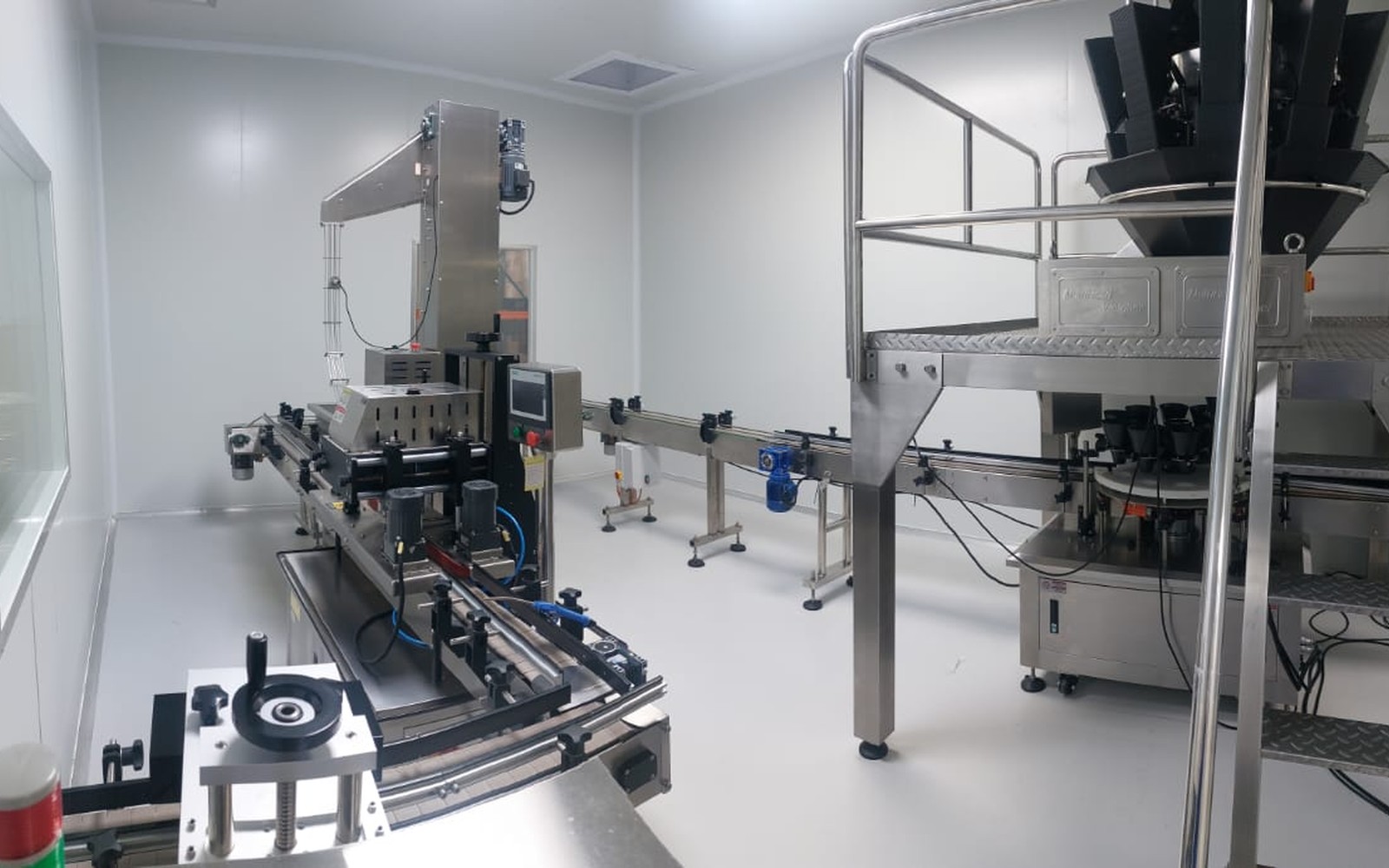
Batch reactors, blending systems, and filling lines are the throughput machinery of chemical manufacturing, and each one carries a price tag that makes capital planning complicated. The problem is that the replacement cycle rarely lines up with the cash cycle. A reactor that needs rebuilding or upgrading arrives at that point mid-contract, mid-season, or mid-expansion, not conveniently at year-end when cash is flush. The shops and plants that manage this well tend to have a financing structure already in place so the equipment decision can move at production speed instead of waiting on internal capital approvals.
We work with chemical manufacturers to finance processing equipment, blending and mixing systems, liquid filling lines, and associated handling infrastructure. The minimum transaction size is $50,000, with the bulk of our deals running $100,000 to $150,000 and above. Both new and used equipment qualify. B and C credit profiles are within our appetite, and application-only approvals are available up to roughly $400,000 with three months of bank statements. Most deals fund within one to two weeks of approval.
Processing Equipment We Finance
The asset range in chemical manufacturing is broad. Stainless steel reactors for batch processing, from 100-gallon pilot-scale vessels to multi-thousand-gallon production reactors, are common collateral. Jacketed mixing tanks, homogenizers, and high-shear blenders are assets with established resale markets, which helps lenders take a favorable view of the credit.
Liquid filling machines are another core category. Piston fillers, overflow fillers, and gravity-fed systems used in chemical, cleaning product, and specialty coating production all qualify. A multi-head filling line with an automatic capper and labeler runs $80,000 to $300,000 depending on throughput, container type, and level of automation. Conveyor systems that connect the filling and packaging stages are financed as part of the same deal when the total asset package makes sense together.
Spray dryers, extruders for solid-form chemicals, drum and tote filling stations, and industrial HVAC and filtration systems that support hazardous material handling are also eligible. The key factor is that the equipment is identifiable, has market value, and is being used in a revenue-generating operation. Chemical manufacturing assets tend to have good useful lives, which supports longer amortization terms when needed.
Credit Profiles and Documentation
Chemical manufacturing businesses come with a range of credit histories. A specialty chemical startup two years in with average personal credit looks different from a 20-year contract manufacturer with strong bank statements. We evaluate both. For companies under $400,000 in equipment needs, three months of bank statements and a simple application are typically sufficient to reach a credit decision. That means no tax returns, no financial statements, and no detailed business plan required for smaller transactions.
Larger transactions, or businesses with credit complexity, go through a more complete review that may include two years of business tax returns and interim financial statements. Even in those cases, the process moves faster than a bank SBA loan. Turnaround from completed application to term sheet is typically two to four business days. If the credit has real complexity, we will tell you that upfront rather than letting the process run long and disappoint.
Specialty chemical operations that handle regulated materials sometimes ask whether compliance history affects the credit decision. Lenders focus primarily on revenue consistency and asset quality. Regulatory compliance issues that create operational risk can affect deal structure, but a clean operating history with normal EPA and OSHA records is not a complicating factor.
Refinancing and Sale-Leaseback in Chemical Plants
Many chemical manufacturers have significant equity sitting in owned processing equipment that is fully paid off. A Sale-Leaseback converts that equity into working capital without selling the business or giving up operations. The plant sells its reactors or filling line to a financing company at appraised value, leases the equipment back under a fixed monthly payment, and retains full use of the equipment. The cash released can fund a raw material purchase, a plant expansion, or a new product line launch.
For equipment that still carries a balance, a Cash-Out Refinance for Production Line Equipment pays off the existing lien and advances additional capital against the asset's remaining equity. This is useful when a piece of equipment was purchased outright or with a short-term note and now has clean title, but the business has a capital need that does not justify drawing on operating credit lines.
Capital Trends in Chemical Manufacturing
Domestic chemical manufacturing has been experiencing investment across specialty segments: personal care, cleaning products, agricultural chemicals, and industrial coatings. Reshoring pressure and supply chain diversification are pushing producers to build domestic capacity they previously sourced offshore. Plants in the Gulf Coast petrochemical corridor, in the Mid-Atlantic specialty chemical cluster around Newark, NJ, and in the Midwest industrial market around Chicago, IL are all adding processing capacity.
Sustainability and green chemistry investment is also driving equipment replacement. Solvent recovery systems, closed-loop process equipment, and energy-efficient reactors replace older open-process equipment, and the capital cost of those upgrades routinely runs $200,000 and above. Financing those upgrades over 48 to 72 months, rather than expensing them immediately, smooths the impact on operating cash flow and often makes the upgrade decision much easier to justify internally.
Get a Structure for Your Chemical Manufacturing Equipment
Describe the equipment, the dollar amount, and your operation and we will respond within one business day with structure options. Minimum $50,000. New and used equipment eligible. B and C credit profiles considered. No lengthy bank packages for smaller deals.
Questions About Chemical Manufacturing
Clear answers on equipment eligibility, documentation, timing, and transaction structure before you send the file.
Can I finance equipment that handles classified or regulated chemical materials?
Yes. The financing structure does not depend on the chemical classification of materials the equipment processes. Lenders focus on asset quality, business revenue, and credit profile. Equipment used in regulated chemical handling with a clean operating history is financed routinely. If there are active enforcement actions or material compliance liabilities, those would need to be disclosed and could affect structure.
My reactor is 15 years old but recently rebuilt. Can I use it as collateral for a refinance?
Age alone does not disqualify an asset. A reactor with a documented rebuild, updated seals, new jacket controls, and service records is valued based on current condition and market comparables, not original manufacture date. Lenders will want photos and documentation of the rebuild to support the valuation.
We have a seasonal cash flow pattern because one large customer orders heavily in Q2 and Q3. Does that affect approval?
Seasonal revenue patterns are common in chemical manufacturing and lenders understand them. Bank statements that show strong Q2 and Q3 deposits alongside leaner Q1 and Q4 months tell a coherent story. The annualized revenue figure matters more than the month-to-month variation.
Can I finance a complete filling line, including the conveyor, capper, and labeler, as one deal?
Yes. A bundled line that includes filling, capping, labeling, and conveyance can be structured as a single financing transaction. The total package just needs to clear the $50,000 minimum and the individual assets need to be identified in the equipment schedule. Multi-asset deals are common in our book.
How is used chemical processing equipment appraised for a sale-leaseback?
The lender orders an equipment appraisal from a third-party appraiser familiar with industrial processing assets. The appraised value sets the advance amount. You do not pay for the appraisal out of pocket in most cases, the cost is folded into the transaction. The process typically takes three to five business days and does not slow the overall deal timeline materially.
Finance Your Chemical Manufacturing
Send the equipment quote, seller details, price, deposit, and delivery schedule. The financing desk will review the file and return a practical next step.