

Manufacturing Market
Pet Food Manufacturing
Finance extrusion lines, form-fill-seal pouching systems, canning lines, and inspection equipment for pet food plants. $50k minimum, funded in 1-2 weeks.
Start Review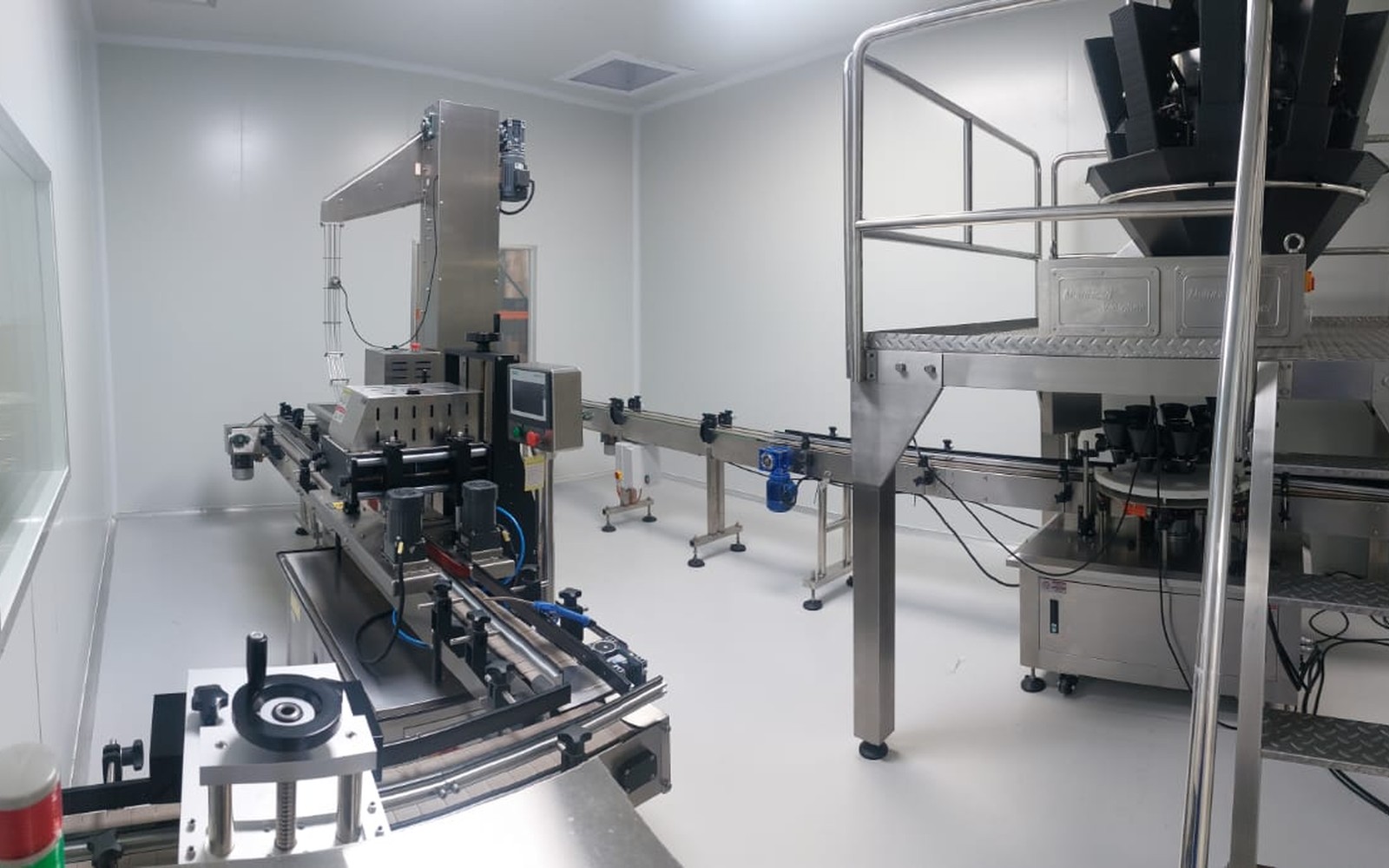
Pet food manufacturing has more in common with pharmaceutical processing than most people outside the industry realize. The throughput pressure is real: kibble extruders run at hundreds of kilograms per hour, pouch lines must hit exact fill weights within tenths of a gram, and the AAFCO nutritional labeling requirements demand that every batch be traceable and consistent. The bottleneck that limits your daily output, whether it is an aging extruder die head, a single-lane form-fill-seal machine running below rated speed, or an end-of-line palletizer that backs up the whole floor, is the number that matters most for this conversation.
We finance production equipment for pet food manufacturers across the full size range, from regional brands running a single extruder to large co-manufacturers serving multiple private-label accounts simultaneously. Minimum transaction size is $50,000; most pet food plant projects run between $150,000 and well into seven figures when a full line upgrade is involved. Decisions on standard credits come back within 24 to 48 hours, and funded transactions typically close in one to two weeks. New equipment, late-model used, and refurbished OEM equipment all qualify.
What Equipment Qualifies
The short list covers nearly every capital asset in a pet food facility. Dry food operations center on single-screw and twin-screw extruders, dryers, coating drums, and coolers. Those assets carry significant ticket prices, hold value well on the secondary market, and make strong collateral. A twin-screw extruder from a major OEM will typically command 40 to 60 percent of its new price on the used market after five years of well-maintained operation, which is good news for the credit structure.
Wet food and treat operations lean on retort systems, co-extrusion lines, depositors, and tray-sealing equipment. A retort system that processes canned wet food runs at pressures and temperatures that demand regular validation, and modern units from established manufacturers carry multi-decade useful lives. That longevity works in your favor on a 60 or 72 month financing term.
End-of-line assets qualify as well. Form-Fill-Seal (FFS) Machine Financing that run dry kibble into stand-up pouches are among the most active segments in pet food capital investment right now, driven by the consumer shift toward premium-format packaging. Inspection equipment, particularly Checkweigher & Metal Detector Financing, is non-negotiable in any facility running product for retail, and we finance those units individually or bundled within a larger line transaction.
Intralogistics equipment including Conveyor System Financing for moving bulk kibble from the extruder to the coating drum, or finished bags from the line to the palletizer, qualifies at the same terms as the production assets themselves.
The Line Stations We Finance Most Often
Extrusion Systems
The extruder is the center of any dry pet food line. A modern twin-screw unit runs continuous for shifts at a time, processing formulas that range from basic chicken-and-corn to grain-free, high-protein recipes that stress the screw geometry differently. We finance extruders from the primary OEMs as well as late-model units sourced through dealers or at industry auctions. Useful life typically runs 15 to 20 years with proper maintenance, which supports term structures from 36 to 84 months depending on the asset's age and condition.
Form-Fill-Seal and Pouch Lines
The premium pet food segment has driven a significant wave of investment in stand-up pouch and pillow-bag FFS equipment. These lines fill and seal at high speeds, and the difference between a single-lane unit running 40 bags per minute and a dual-lane configuration running 80 bags per minute is often the entire throughput ceiling of the business. We finance these lines frequently and understand how to structure transactions that account for tooling changeover costs alongside the machine itself.
Canning and Retort Equipment
Wet food manufacturers running canned product invest heavily in can filling lines, seamers, and retort systems. A rotary retort system capable of processing thousands of cans per hour represents a multi-hundred-thousand-dollar capital commitment. We finance full wet food line configurations, including the filler, seamer, retort, and cooling tunnel as a single bundled transaction or as individual asset financings coordinated across multiple vendors.
End-of-Line and Palletizing
A Palletizer Financing at the back of a kibble line that cannot keep pace with the upstream production rate creates a bottleneck that backs up the entire floor. Robotic palletizing cells and conventional layer palletizers both qualify, and we finance them with or without the accompanying stretch wrapper and conveyor interface.
New Equipment or Late-Model Used: How to Think About It
Pet food processing equipment retains value exceptionally well compared to many other industrial categories. An extruder that has run a single shift per day for six years at a well-maintained facility can often be financed at a term and rate only modestly different from a new unit. That makes the used market genuinely attractive for operators who need throughput expansion without the lead times on new OEM equipment, which for certain systems can run six months to over a year.
New equipment from established manufacturers brings the obvious advantages: warranty coverage, current control software, and in some cases enhanced energy efficiency that reduces operating cost per ton of product. For lines where FSMA traceability requirements are driving an upgrade, new equipment often comes pre-integrated with the data collection systems that compliance demands.
Our underwriting treats used equipment conservatively but realistically. We look at the equipment's age, OEM identity, documented service history when available, and the secondary market depth for that category. Well-maintained extruders and retort systems from major manufacturers in the 5 to 12 year range typically clear our used equipment criteria without requiring an independent appraisal, though for larger transactions an appraisal does sharpen the structure. Operators interested in financing used assets should also review our Used Production Line Equipment Financing programs, which spell out the documentation we work with for private-party and auction purchases.
A note on Equipment Leasing for pet food lines: for operations that refresh processing technology on a 5 to 7 year cycle to stay current with formulation changes or energy standards, a lease with an end-of-term fair market value option preserves flexibility that a loan does not. We model both structures side by side so the decision is clear before you commit.
Credit Considerations for Pet Food Manufacturers
Pet food manufacturing businesses span a wide credit profile. A family-owned regional brand that has operated for 15 years with consistent revenue and clean banking history looks very different from a startup brand that has secured a retail listing at a national chain and needs its first production line. We work with both situations, and we take the time to understand the business behind the credit file rather than running a score through an automated decision tree.
For transactions under approximately $400,000, application-only processing is typically available. That means a completed credit application, basic business entity documentation, and the equipment quote. No tax returns, no audited financials. Decisions come back within 24 to 48 hours in most cases. Businesses with B or C credit, including those with past banking issues, liens, or a short operating history, are not automatically disqualified. The equipment's collateral value, the business's cash flow, and the throughput case for the investment all factor into the analysis.
For larger credits, three months of business bank statements is the standard starting point. We are not looking for perfection; we are looking for a clear picture of how the business operates and what the equipment adds to the revenue equation. Operators who also own and have equity in their production facility sometimes find that a Sale-Leaseback on owned equipment provides the working capital to fund line upgrades without needing to bring in separate financing at all.
Co-manufacturers serving the pet food sector who work across multiple accounts, including operations that also handle Food & Beverage Manufacturing alongside pet food contracts, often have a particularly strong credit case: diversified revenue, multiple contracts, and equipment that has proven throughput across different SKU formats. That diversification typically helps, not hurts, the underwriting conversation.
Get Financing for Your Pet Food Equipment
Tell us about the equipment, the line configuration, and where the throughput stands today. We will put together structure options and a preliminary rate range within 24 hours. No obligation until you decide to move forward.
Questions About Pet Food Manufacturing
Clear answers on equipment eligibility, documentation, timing, and transaction structure before you send the file.
Can I finance a twin-screw extruder purchased from a dealer rather than directly from the OEM?
Yes. Dealer-sourced and private-party purchases of used extruders qualify provided we can establish fair market value. For established OEM brands with active secondary markets, that is usually straightforward. We may request a dealer invoice and equipment inspection report for larger transactions, but an independent appraisal is only required for units where secondary market comps are thin.
My pet food brand is less than two years old but we have a purchase order from a national retailer. Does that help with financing?
A confirmed purchase order or supply agreement with a national retailer is exactly the kind of throughput evidence we want to see in a startup credit situation. It does not guarantee approval, but it substantially strengthens the case by demonstrating that production capacity will translate directly into revenue. We also look at your founders' credit, any personal assets, and the equipment's collateral value in those situations.
We already own our retort system outright. Can we use it to generate cash for a line upgrade?
A sale-leaseback on the retort, or on any other paid-off production asset, converts that equipment equity into cash without interrupting operations. You sell the asset at appraised value and immediately lease it back on agreed terms. The cash can fund the line upgrade directly, which many operators prefer over carrying two separate financing transactions simultaneously.
How does financing work when we are buying equipment from multiple vendors for one line upgrade?
We can structure a master equipment financing agreement that covers multiple vendors in a single transaction, or we can coordinate parallel agreements timed to close together. A typical pet food line upgrade involving an extruder supplier, a packaging OEM, and a conveyor integrator is a transaction type we handle routinely. Bundling simplifies the paperwork and can improve overall pricing when the combined credit request hits a higher threshold.
Does our equipment need to already be identified before we talk to you?
Not necessarily. We can provide a pre-qualification or preliminary term sheet before a specific asset is selected, which is useful when you are evaluating multiple equipment options and want to understand the financing envelope before committing to a vendor. The final structure will reference the actual equipment quote, but getting the financing picture early often speeds the overall decision.
Are there any restrictions on pet food equipment because it processes animal-derived ingredients?
No lender restrictions specific to animal-derived ingredient processing apply to the equipment types used in pet food manufacturing. The equipment itself, extruders, retorts, filling lines, packaging systems, is standard industrial capital equipment that qualifies under the same terms as any other food or consumer products processing asset.
Finance Your Pet Food Manufacturing
Send the equipment quote, seller details, price, deposit, and delivery schedule. The financing desk will review the file and return a practical next step.