
Production Equipment
Checkweigher & Metal Detector Financing
Finance checkweighers and metal detectors for food, pharma, and CPG production lines. Loma, Mettler Toledo, Ishida, and Fortress systems. Fast approvals, application-only up to ~$400k.
Start Review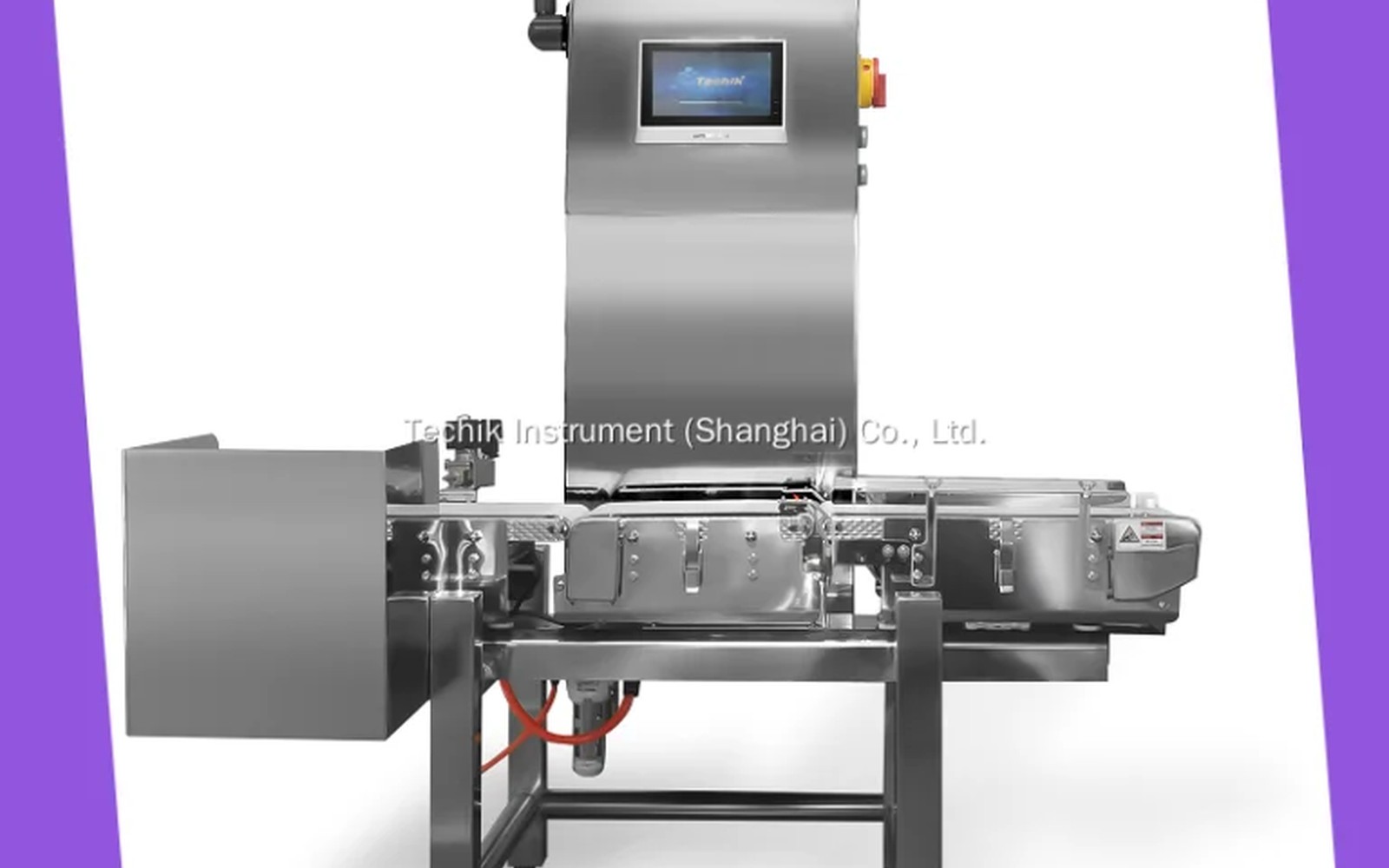
Two compliance requirements walk together at the end of nearly every food and consumer goods line: confirm the package weight is within tolerance, and confirm no metal made it into the product. Checkweighers handle the first job; metal detectors handle the second. Both are regulatory obligations in food manufacturing under HACCP plans and FDA food safety frameworks, and both function as line-speed throughput stations, not bottlenecks, when they are properly sized and maintained. Financing either piece independently or as a combined system follows the same capital equipment path, and we structure both.
The cost range for this equipment is narrower than many production investments. A standalone conveyor-fed checkweigher for a moderate-speed line runs from roughly $15,000 to $80,000 depending on throughput capacity, reject mechanism type, and IP rating. A metal detector for the same line runs a similar range. Combined inline systems, or those built for high-speed applications in beverage, pharmaceutical, or pet food environments, can exceed $150,000 when the reject conveyor, reporting software, and sanitary wash-down construction are factored in. Our minimum is $50,000, so most transactions involve either a system of multiple units, high-specification single units, or this equipment packaged with adjacent line investments.
Why Plants Finance Rather Than Purchase Outright
Checkweighers and metal detectors are not glamorous capital expenditures. They do not directly increase output; they protect output from being recalled or rejected by a customer. That makes them easy to defer in a capital budget discussion, and the deferral is where the risk accumulates. A plant running a checkweigher that is out of calibration tolerance or a metal detector with a degraded sensitivity level is one audit finding away from a corrective action that shuts the line. Financing these systems keeps the capital outlay off the operating budget, distributes the cost over the useful life, and removes the deferral logic entirely.
Plants in Food & Beverage Manufacturing face the tightest compliance pressure here. SQF, BRC, and FSSC 22000 certifications all require documented metal detection and weight verification as part of the HACCP plan. Retailers like Walmart, Costco, and major grocery chains conduct audits against these standards and can delist suppliers who cannot demonstrate compliant inspection records. Financing the right equipment protects the retailer relationship, not just the production record.
Operators in Pet Food Manufacturing and Nutraceutical & Supplement Manufacturing face similar audit requirements from their own retail customers and from FDA oversight. The compliance case for current, documented inspection equipment is not optional in these categories.
Checkweigher and Metal Detector Specifications That Drive Cost
Checkweighers operate by measuring the weight of each package as it crosses the weigh cell at line speed. The key specifications are throughput capacity (measured in packages per minute), the dynamic accuracy at that speed (typically expressed as a standard deviation at rated throughput), the minimum and maximum pack weight the machine can handle, and the reject mechanism type. Gravity reject is simple and low-cost. Air blast reject works for lightweight packs. Pusher arms or diverter belts handle heavier containers. Sanitary design for washdown environments, stainless construction, and IP ratings for the electronics add cost but are non-negotiable in food applications.
Metal detectors use electromagnetic induction to detect metallic contaminants. The key specification is sensitivity: the minimum sphere size of ferrous, non-ferrous, and stainless steel that the detector reliably identifies at rated speed. Stainless steel is the hardest to detect because it is only weakly magnetic, and HACCP plans typically state the required sensitivity for stainless explicitly because it is the most common metal contamination in food processing environments. Aperture size determines what pack sizes the detector accommodates. Multi-simultaneous-product tracking frequency allows the detector to run different sensitivity settings for different products on the same line without resetting manually between runs.
Combined systems mount a metal detector inline with a checkweigher on a single conveyor frame with one control interface and one reject station. For plants with limited floor space or lines that cannot accommodate two separate machines in sequence, these combos are the practical solution. They are also the product category where Ishida has deep market penetration with their DACS series combination units, particularly in snack food and produce packing.
What Projects We Finance in This Category
A single replacement checkweigher on an existing line qualifies if the installed cost reaches the $50,000 minimum, which happens most often when the specification calls for high accuracy at high speed, sanitary stainless construction, or a reporting software package with SCADA integration. Most food-grade standalone units landing between $60k and $100k qualify cleanly.
Multi-unit projects are common: a plant adding two new production lines finances a checkweigher and metal detector for each, and the combined project reaches a scale where full documentation financing opens up longer terms. These projects often come with a new Packaging Line Financing investment or a Conveyor System Financing, and financing the quality inspection equipment alongside the line equipment as one project keeps the capital structure cleaner than multiple smaller transactions.
Replacement of aging or out-of-specification units is the other common situation. A checkweigher that is ten years old and no longer holds the required dynamic accuracy at current line speeds is a liability. A metal detector that fails sensitivity validation for stainless steel below 4mm is a HACCP non-conformance. Financing a replacement through us with a quick approval process gets the new unit in faster than waiting for the next capital budget cycle.
Application-Only Equipment Financing for Production Lines handles most of these transactions below $400,000. Approval in one to two business days, funding in about one to two weeks. B and C credit programs are available for operators whose credit profile has blemishes but whose business has a solid contract base and consistent revenue.
Questions About Checkweigher & Metal Detector Financing
Clear answers on equipment eligibility, documentation, timing, and transaction structure before you send the file.
Can I finance a checkweigher and metal detector as a single project even though they are two separate units?
Yes. Multi-unit projects that install on the same line in the same timeline are financed as a single facility. One application, one payment, one term. The combined cost is what matters, and grouping them simplifies both the underwriting and your monthly bookkeeping.
Our current metal detector is flagged on our audit as out-of-specification. How fast can financing close so we can replace it?
For projects under approximately $400,000, the application-only process delivers a credit decision in one to two business days. Documentation, approval, and funding typically complete within one to two weeks. If the unit being replaced is a known brand at an agreed price with a vendor ready to ship, there is no reason the financing cannot close within that window.
The checkweigher vendor wants payment on delivery. How does that work with financing?
Funding typically goes directly to the vendor at equipment delivery or acceptance, depending on how the purchase agreement is structured. We coordinate disbursement timing with the vendor to match their payment terms. You do not need to advance cash out of your operating account and wait for reimbursement.
Is a used checkweigher or metal detector financeable?
Used units are financeable when they have documented maintenance history, known calibration records, and are purchased from a reputable source. The asset needs to be in working condition or going through a documented refurbishment. Age and condition affect the term length: a five-year-old unit in good condition qualifies for a longer term than a twelve-year-old unit near end of service life.
Can the software, validation services, and installation labor be included in the financed amount?
Yes. The financed amount can include the full installed cost: hardware, reporting software licenses, integration and calibration services, and installation labor. An inspection system that is not properly installed, calibrated, and validated does not fulfill its compliance function, so including the full project cost in one structure is the practical approach.
Finance Your Checkweigher & Metal Detector Financing
Send the equipment quote, seller details, price, deposit, and delivery schedule. The financing desk will review the file and return a practical next step.