
Popular Model
Multivac R 145 Thermoformer Financing
Finance a Multivac R 145 thermoform packaging machine. Smaller-format thermoformer financing for food processors, cheese, and specialty protein packaging. Application-only up to ~$400k.
Start Review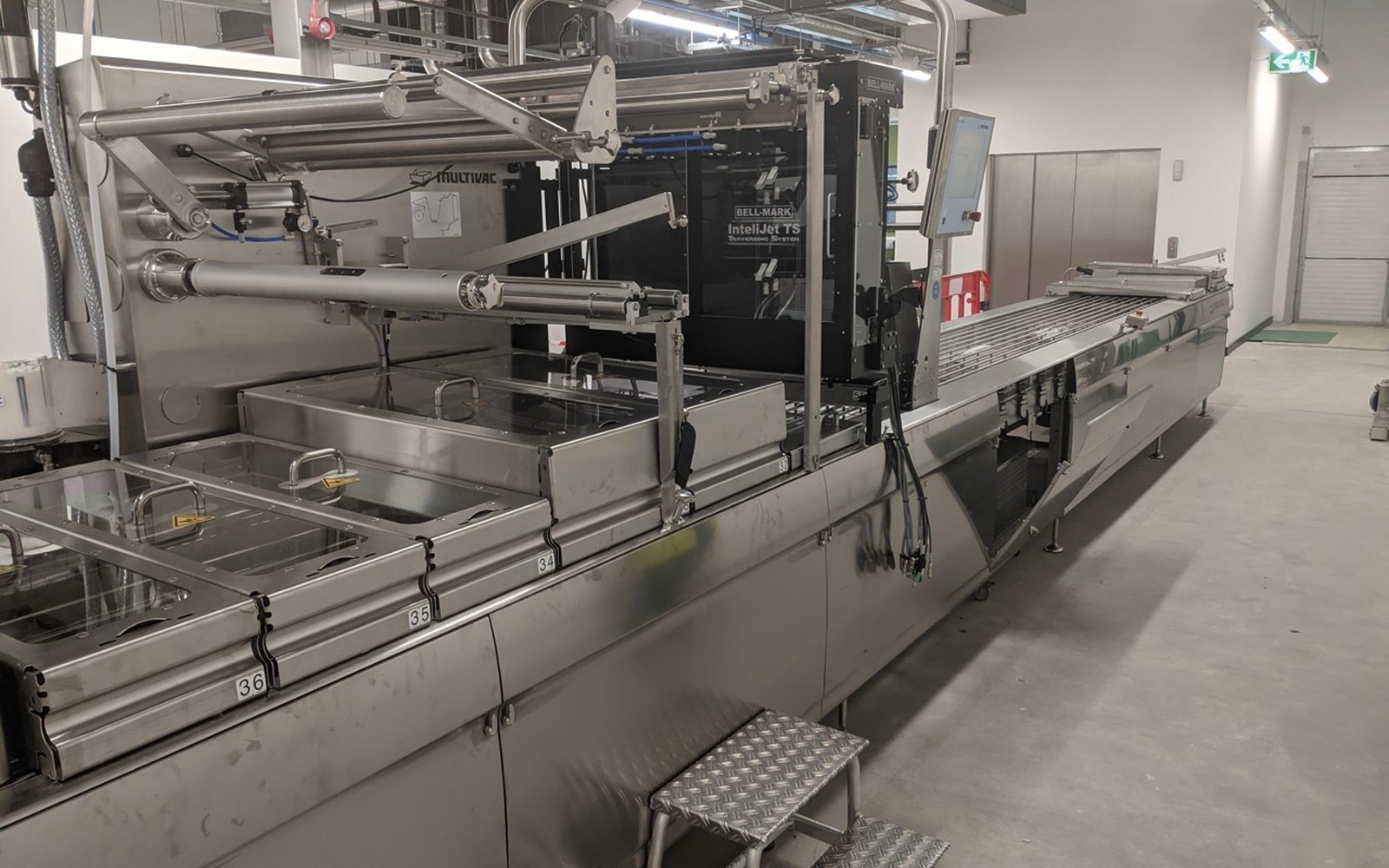
Not every thermoforming application calls for the highest-capacity machine on the market. The Multivac R 145 occupies the compact end of Multivac's rollstock thermoformer range, and that compact footprint is precisely what makes it the right equipment for specialty food producers, smaller protein operations, and cheese processors who need thermoform capability without committing floor space to a full-size machine. The R 145 handles vacuum and MAP packaging on a narrower forming width than larger Multivac models, which is exactly the trade-off that makes sense when the production volume, SKU count, and facility layout all point to a smaller-format line. Financing this machine is about matching the capital structure to the scale of the operation, not the scale of the largest food plant in the region.
The R 145 operates at forming widths up to 380mm, accommodating the standard shallow-tray formats used across fresh cheese, deli meat, processed protein, and specialty food packaging. Forming depth capacity and cycle rate are lower than the R 245 and R 535 machines above it in the Multivac range, which makes the R 145 best suited for products that fit within its forming envelope. The trade-off is a substantially lower capital cost and a machine that fits into processing areas where a larger thermoformer would require facility modification. We finance the R 145 alongside the broader Multivac equipment portfolio, including the R 245 and the T 800 tray sealer.
Who Buys and Finances the R 145
Specialty cheese producers represent one of the most consistent R 145 buyer categories. Fresh and natural cheese packaging in vacuum thermoform formats requires the precise seal and consistent forming depth that the R 145 delivers on compact packages, and cheese operations often cannot dedicate the floor space that a mid-size machine requires. An artisan or regional cheese producer moving from hand-sealed bags to thermoform packaging for retail shelf presence is a classic R 145 acquisition scenario.
Smaller deli meat and specialty protein processors are the second major buyer group. A regional cured meat brand packaging thin-sliced products in vacuum trays for natural grocery accounts does not need 12 cycles per minute of throughput. What they need is consistent film seal integrity, reliable MAP gas management on smaller packs, and a machine that fits the production capacity they actually have. The R 145 delivers all of that at a capital cost that does not require a multi-year payback model to justify.
Co-packers handling specialty food accounts, snack producers packaging protein-based snacks in thermoform trays, and prepared food operations packaging single-serve entrees all appear regularly in R 145 financing conversations. These are not the largest operations in the food sector, but they are real businesses with real capital needs and financing works for them just as it does for large plants. Our minimum is $50,000, and the R 145 almost always falls above that threshold, often landing between $80k and $200k for configured machines with tooling. Operators in Food & Beverage Manufacturing at this scale find that Application-Only Equipment Financing for Production Lines gives them access to capital that bank channels rarely extend on equipment this size.
How R 145 Financing Transactions Work
The R 145 is well within the application-only threshold at virtually all transaction sizes. A completed credit application and equipment specification are sufficient to start the underwriting process. For used machines where a dealer quote or appraisal exists, we can often reach a term sheet within a few business days of a complete submission. For new machines purchased from a Multivac dealer or from Multivac directly, the purchase order or quote serves as the equipment documentation.
Loan structures work well for operators who want to own the machine outright and take depreciation. An FMV lease lowers the monthly payment and provides upgrade flexibility at term end, which matters for smaller specialty food producers who may want to step up to larger forming capacity as their volume grows. The choice between those structures depends on the tax position, the cash flow situation, and the operator's preference for ownership versus flexibility. We will present both structures at the start so you can make an informed decision rather than defaulting to one path.
For operators who already own an R 145 free and clear, a Cash-Out Refinance for Production Line Equipment or sale-leaseback converts that asset equity into operating capital. For a specialty food producer who needs to buy raw material in volume or fund a retail launch, releasing the equity in paid-off equipment is often the fastest capital access path available. The machine stays producing; the capital moves to where it is most needed.
Related Equipment Financing Options
The R 145 is rarely the only equipment investment on a thermoform packaging line. Operators adding or upgrading an R 145 often simultaneously need updated conveyor systems to connect the thermoformer to upstream and downstream stations, checkweighers or vision systems for quality verification, or a dedicated labeling solution for the finished packages. We can bundle multiple equipment items into a single financing transaction, which simplifies documentation and produces one payment per month rather than multiple staggered obligations.
For operations considering whether to add a thermoformer or a tray sealer for their fresh food packaging line, the Multivac T 800 tray sealer represents a different approach to the same packaging objective: pre-formed trays sealed with film rather than thermoform-and-fill on rollstock. The T 800 is faster on high-volume tray formats but less flexible on package geometry. The R 145 provides more format flexibility but requires rollstock film and forming tooling investment. Both machines have active financing markets, and we help operators work through the production requirement to determine which asset makes more sense before committing to either capital structure.
Finance an R 145 That Fits Your Operation
Compact operation, focused SKU set, real thermoforming need. That is the R 145 story, and we know how to finance it efficiently. Share the machine details and your production context and we will have initial terms back to you fast. Operators unsure whether to choose an R 145 or step up to an R 245 thermoformer for higher-speed protein lines should raise that question before the financing is structured; the right equipment decision is the foundation for the right capital structure. Contact our team today.
Questions About Multivac R 145 Thermoformer Financing
Clear answers on equipment eligibility, documentation, timing, and transaction structure before you send the file.
The R 145 I want to buy is used and I do not know its service history well. Can it still be financed?
Used machines with incomplete service histories can sometimes be financed, but the underwriting is more conservative. A current inspection report from a qualified Multivac technician or an independent food equipment appraiser gives us the information needed to assess the asset's current condition and value. That report can often substitute for a documented service history if the machine is in demonstrably good operating condition.
I am a startup specialty cheese company. Is financing available for an R 145?
Startups have fewer financing options on equipment of this type, but not zero. Larger down payments, personal guarantees from owners, and additional collateral can sometimes make a startup transaction work. Our startup and new-business equipment financing program is worth reviewing before assuming a conventional loan route is the only path.
Can I include film inventory or tooling in the R 145 financing?
Tooling is commonly bundled into thermoformer financing. Film inventory is a soft cost that most equipment lenders cannot include, but working capital financing can cover film inventory separately. We can help you think through which costs belong in the equipment transaction and which are better handled through other capital sources.
What happens at the end of an FMV lease on an R 145?
At FMV lease end, you have the option to purchase the machine at its then-current fair market value, renew the lease at a new payment, or return the machine. If your volume has grown and you are ready for a larger Multivac thermoformer by then, returning the R 145 and financing a new machine is a straightforward upgrade path. The flexibility is the primary reason operators choose FMV over a dollar-buyout structure when they anticipate volume growth.
Is the R 145 eligible for Section 179 treatment?
An R 145 financed through a loan or dollar-buyout lease and placed in service within the applicable tax year generally qualifies for Section 179. Confirm the current year's limits and phaseout thresholds with your tax advisor, as these change with legislation. We can structure the transaction to preserve the deduction.
Finance Your Multivac R 145 Thermoformer Financing
Send the equipment quote, seller details, price, deposit, and delivery schedule. The financing desk will review the file and return a practical next step.