

Production Equipment
Pallet Jack Financing
Finance electric walkie pallet jacks and powered pallet trucks for your warehouse or plant floor. Fleet packages welcome. $50k minimum, fast decisions.
Start Review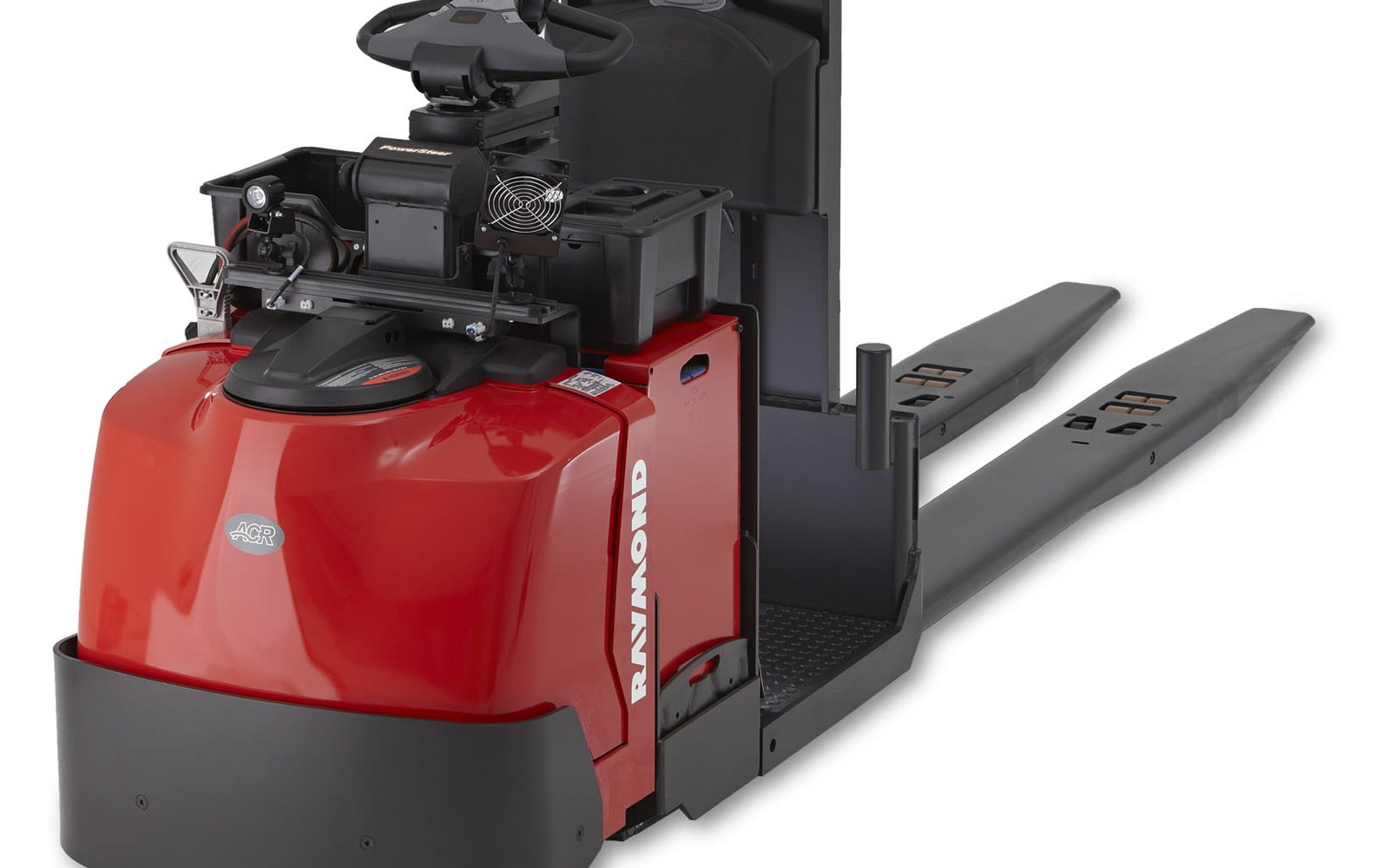
Staging throughput breaks down at the pallet-movement layer more often than operators expect. A production floor that runs efficiently from machining through packaging can still stack up inventory waiting to move if the pallet jack pool is undersized, aging, or poorly matched to the facility layout. Electric powered pallet trucks are the workhorse at this layer, and the financing decision for a fleet of them is straightforward when you approach it right.
We finance electric walkie pallet jacks (Class 3), electric rider pallet trucks, and combination walkie-rider units for manufacturers, co-packers, distribution operations, and food processors. Transaction size starts at $50,000, which typically covers a small fleet of powered units. Single-unit deals below that threshold are outside our scope, but multi-unit packages for operational facilities are well within it.
Pallet jack financing is often packaged alongside Electric Forklift Financing or Material Handling Equipment Financing packages. We structure these as combined fleet deals when it makes sense, or separately if the asset categories need different terms.
Pallet Jack Types and Where Each One Fits
Manual hydraulic pallet jacks are outside the financing conversation for most facilities. The relevant decision in electric pallet truck financing involves powered walkie units, ride-on platforms, and higher-capacity models designed for longer travel distances or heavier loads.
Electric walkie pallet trucks typically handle loads from 4,000 to 8,000 pounds and are designed for short-distance horizontal movement, dock-to-staging, and aisle transfers within a facility. Travel distance matters here: a walkie unit designed for short-haul duty loses efficiency quickly when operators are running it long distances across a large facility. For longer runs, a ride-on platform model or a low-level order picker is a better match.
Rider pallet trucks in the 6,000 to 10,000-pound capacity range allow operators to move faster over longer distances and are commonly used in large distribution centers with travel distances that make a walkie unit impractical. Food and beverage production facilities often run both types: walkies at the line end for tight maneuvering and riders in the staging and shipping areas where speed matters more.
High-capacity electric pallet trucks designed for loads above 10,000 pounds serve specialty applications in heavy manufacturing. These are less common but not unusual in steel service centers, appliance production, or facilities handling oversized pallet configurations.
Battery configuration, including standard lead-acid, maintenance-free AGM, or lithium-ion, affects cycle time and total cost of ownership in multi-shift environments. Lithium-ion is standard in many new models and carries better residual value, which is worth noting if you plan to use a lease structure.
Credit and Documentation for Pallet Jack Fleet Financing
For application-only financing up to approximately $400,000, the paperwork is minimal: a completed credit application and three months of business bank statements. Most pallet jack fleet packages for small to mid-size operations fall inside that threshold. Deals above it require two years of business tax returns and current financials, but the process remains faster than most operators expect.
B and C credit profiles are reviewed on their merits here. A business with a bruised credit history but strong revenue and consistent bank account activity has real options in our lender pool. We do not filter by score alone. The underwriting looks at the full picture: the business, the industry, the collateral, and the cash flow story told by the bank statements.
Businesses less than two years old face a narrower set of lender options but are not automatically excluded. A larger down payment, a personal guarantee with a solid personal credit profile, or a shorter initial term can all improve the structure available. Come in early and we will give you an honest read on what is possible.
For operators looking to explore Application-Only Equipment Financing for Production Lines or wondering whether B/C credit equipment financing is accessible for a pallet truck fleet, the direct answer is: bring us the application and we will tell you specifically, not in generalities.
Refinancing and Sale-Leaseback on Pallet Truck Fleets
Electric pallet truck fleets that are owned outright or nearly paid off carry collateral value. A Sale-Leaseback converts that value back to working capital without forcing you to part with the equipment. We buy the fleet from you and lease it back, typically on a structure that maintains the monthly obligation at or below what a new purchase would cost.
This structure is useful for operators who need capital for a related purpose, such as adding conveyor capacity, purchasing a new packaging line, or covering a seasonal cash flow gap. The pallet truck fleet continues running. The capital moves to the higher-priority use.
Straight refinancing, replacing an existing loan with a new structure to reduce the monthly payment or extend the term, is also available when there is sufficient equity and the collateral value supports it. We model both options and present them clearly so the decision is made with real numbers in front of you.
Request Pallet Jack Financing Terms
Let us know the unit type, approximate quantity, and new or used. We will structure options and come back with real terms. Minimum transaction is $50,000. Decisions move in days for application-only deals.
Questions About Pallet Jack Financing
Clear answers on equipment eligibility, documentation, timing, and transaction structure before you send the file.
Can I finance a mixed fleet of walkies and rider pallet trucks in one deal?
Yes. Mixed-class electric pallet truck packages are structured as single facility deals when the collateral is comparable in age and condition. If the used units in the mix are significantly older, we may structure them separately, but the goal is always simplicity in administration where the collateral allows it.
My business buys a lot of equipment at once. Is there a volume benefit to financing a larger fleet?
Larger fleet packages sometimes qualify for rate improvements because the credit exposure per unit is shared across more collateral. It depends on the total deal size, the credit profile, and the lender. We will tell you honestly whether the math improves on a fleet package versus individual units.
We just replaced our lead-acid batteries. Does the new battery affect what the truck is worth for financing purposes?
It can improve the collateral valuation, particularly on older units where battery condition is a concern. Documentation of the battery replacement, including the purchase receipt and installation date, helps support the value claim. Bring that paperwork when you apply.
Can a sole proprietor or single-member LLC finance a pallet jack fleet?
Yes. Business entity type is not a barrier. Sole proprietors and single-member LLCs finance equipment regularly in our pipeline. The underwriting looks at business revenue, bank account health, and personal credit. A personal guarantee is typically required for closely held entities regardless of structure.
How does the financing work if we are leasing our warehouse space and do not own the building?
Building ownership is not relevant to equipment financing. The collateral is the equipment itself, not real estate. Whether you own or lease the facility does not affect your ability to finance a pallet truck fleet through us.
Finance Your Pallet Jack Financing
Send the equipment quote, seller details, price, deposit, and delivery schedule. The financing desk will review the file and return a practical next step.