
Production Equipment
Shrink Wrap Machine Financing
Finance new or used shrink wrap machines with $50k minimum, application-only up to $400k, and funding in 1-2 weeks. B/C credit considered.
Start Review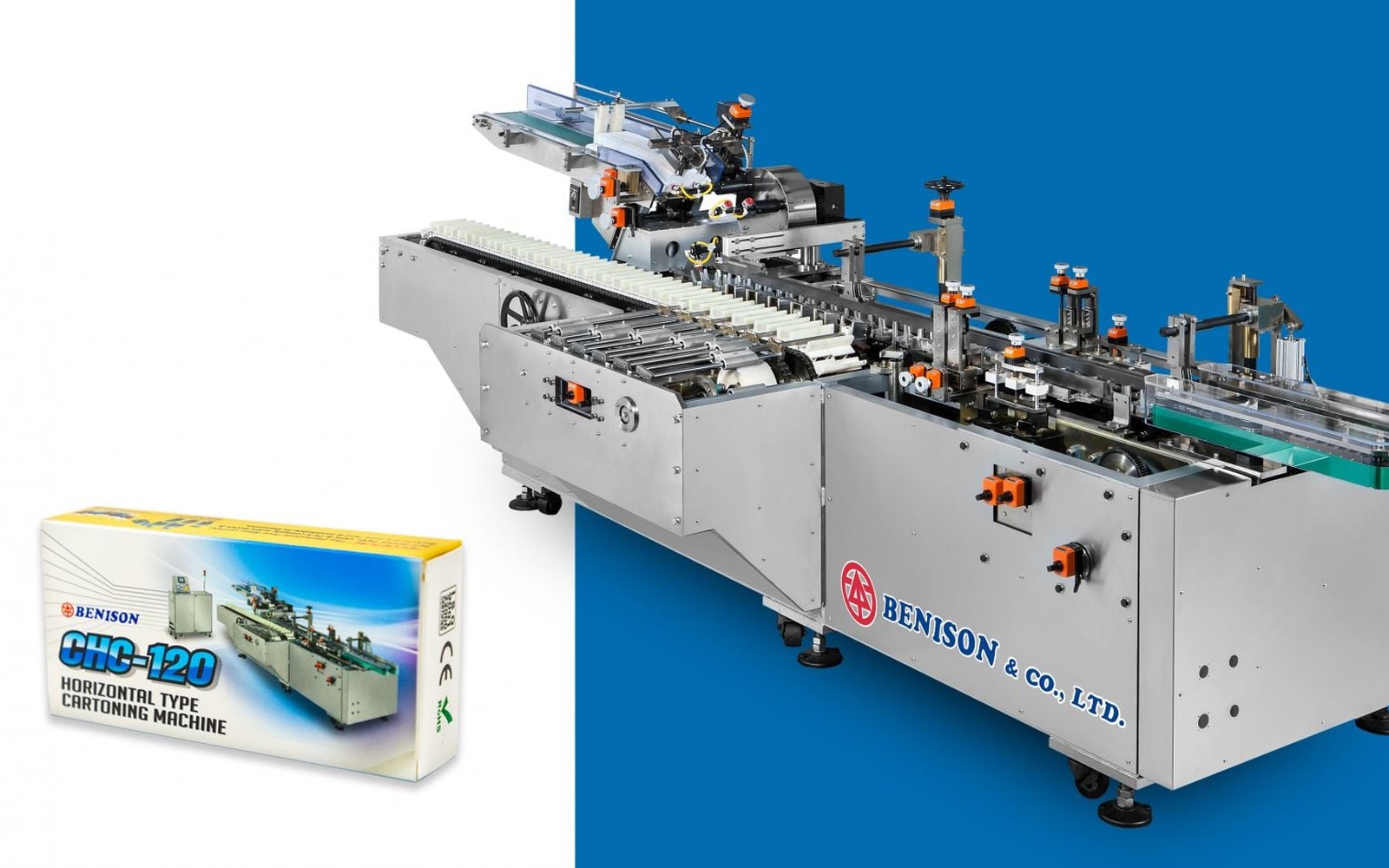
A shrink wrap machine is one of those stations where throughput shows up clearly in the numbers. If your wrapping station cannot keep pace with upstream fill and label rates, product backs up, the line slows, and OEE falls across every step that follows. We finance shrink wrap machines from small L-bar sealers used in specialty food operations all the way to high-speed full-tunnel systems running hundreds of packages per minute for large CPG manufacturers. Whether you are adding a second unit to a Packaging Line Financing that has outgrown its current capacity or replacing an aging machine before it becomes a recurring maintenance drag, our structure fits the purchase.
Minimum transaction is $50,000. Application-only approval is available up to approximately $400,000, which covers most standalone shrink wrap machines without requiring full financial disclosure. We work with new equipment from authorized dealers and with used machines purchased through brokers or directly from other manufacturers. B and C credit profiles are considered. Funding typically takes one to two weeks from completed application to money in hand.
Shrink Wrap Machine Types and Typical Price Ranges
The financing picture varies significantly by machine configuration. L-bar sealers combined with a Shrink Tunnel Financing are entry-level configurations typically priced from roughly $15,000 to $60,000 for manual and semi-automatic units. Fully automatic side-seal machines that integrate with conveyors run from approximately $80,000 into the $250,000 range. High-speed centerfold shrink wrappers capable of continuous production at 80 to 120 packages per minute can reach $400,000 or more for premium configurations with servo controls and automatic film splicing.
Bundling machines, which apply shrink film around multi-packs of cans, bottles, or trays rather than individual items, sit in their own category. These are common in Beverage Bottling & Canning operations where a bundle is the primary retail unit. Bundlers at production speeds typically range from $150,000 to $500,000 depending on line speed and format flexibility.
Key specs buyers track when sourcing include film compatibility (polyolefin versus PVC), seal jaw type (constant heat or impulse), tunnel dimensions, film width range, and integration requirements with upstream and downstream conveyors. These specs all influence resale value, which in turn affects how lenders view the collateral.
New Versus Used: What Changes in the Financing
Used shrink wrap machines are common in the secondary market because larger plants cycle equipment during line reconfiguration projects. A well-maintained used L-bar or automatic side-seal machine from a reputable manufacturer, with service records and a known maintenance history, can represent strong value. We finance used machines, but the lender will want basic documentation: a purchase agreement, an equipment description including make, model, serial number, and year, and confirmation of where the machine is located or will be installed.
Used equipment financing often carries a slightly different rate structure than new, because residual value assumptions shift with age and condition. That said, the monthly payment on a used machine is lower by nature of the lower acquisition cost, which is the practical reason many plant managers favor the used market for adding redundant capacity. Pair a used primary with Used Production Line Equipment Financing terms and the monthly cost impact on cash flow is minimal.
For new machines, the full manufacturer invoice is the basis. Section 179 financing is worth a conversation with your tax advisor for new equipment placed in service during the tax year, as it can change the net cost picture substantially.
How the Process Works
Application is straightforward. For transactions at or below roughly $400,000, we work application-only, meaning we review your business credit profile and the equipment details without requiring two or three years of tax returns and audited financials. For larger transactions or credit situations that need more context, we ask for three months of business bank statements and basic business information.
Once approved, we issue a funding commitment that you take to the seller. Closing typically happens within the week after approval. The machine ships or transfers, and the lender pays the seller directly. Your payments begin on a schedule tied to the loan or lease term you selected, commonly 36 to 72 months depending on machine age and transaction size.
We can structure a purchase as a loan (you own the machine from day one), a capital lease with a $1 buyout, or a fair market value lease if you want the option to return or upgrade at term end. The right structure depends on how you plan to handle the asset on the balance sheet and what your exit looks like at end of term. Read about FMV versus $1 buyout leases if you want a clear comparison before deciding.
Who Finances Shrink Wrap Equipment This Way
Contract packagers adding a new wrapping configuration to serve a CPG account. Food manufacturers upgrading from a manual L-bar operation to an automatic side-seal machine as volume crosses the threshold where labor becomes the cost driver. Beverage producers adding a bundling station to support a retail club-store program. Consumer packaged goods companies commissioning a new SKU line that requires format-specific wrapping capability separate from their existing primary line.
We also see sale-leaseback requests from manufacturers who purchased a shrink system outright and now want to convert the equity in that asset to working capital. If you own a machine free and clear or close to it, a Sale-Leaseback returns cash without requiring you to stop using the equipment. The lender buys it from you and immediately leases it back, so production does not stop.
Questions About Shrink Wrap Machine Financing
Clear answers on equipment eligibility, documentation, timing, and transaction structure before you send the file.
Can I finance a shrink wrap machine I am buying from a private seller, not a dealer?
Yes. Private-party purchases are eligible. We need a purchase agreement, equipment description (make, model, serial number, year), and confirmation the seller holds clear title. We pay the seller directly at closing.
My business has been open less than two years. Does that disqualify me?
Not automatically. Startups and newer businesses face tighter approval criteria, but we have programs for newer entities. The equipment itself serves as collateral, and a larger down payment can offset a thinner credit file. We also have specific startup financing options worth reviewing if your business is under two years old.
What if the machine I want to finance is a bundle of shrink wrap equipment plus a conveyor and control panel from the same purchase?
Bundled transactions are fine. We finance turnkey line sections, not just individual units. As long as the total transaction meets our $50k minimum and the equipment has identifiable resale value, we can structure the whole package together.
Can I refinance a shrink wrap machine I already own to pull cash out?
Yes. If you own a machine outright or have significant equity in it, a cash-out refinance or sale-leaseback can return capital. We will need the machine's current appraised or estimated fair market value and your existing payoff balance if there is one. Cash typically moves in one to two weeks after approval.
How does the lender determine the machine's value for collateral purposes?
For new equipment, the purchase invoice is the basis. For used machines, the lender references secondary market data, equipment age, and condition. Well-documented machines from known manufacturers with service records get the most favorable treatment. Heavily modified or very old units may require an independent appraisal.
Finance Your Shrink Wrap Machine Financing
Send the equipment quote, seller details, price, deposit, and delivery schedule. The financing desk will review the file and return a practical next step.