
Financing Option
Production Line Upgrade Financing
Financing for production line upgrades: add robotic cells, replace bottleneck stations, modernize conveyors and packaging equipment. Structured around the throughput gain, not just the asset price.
Start Review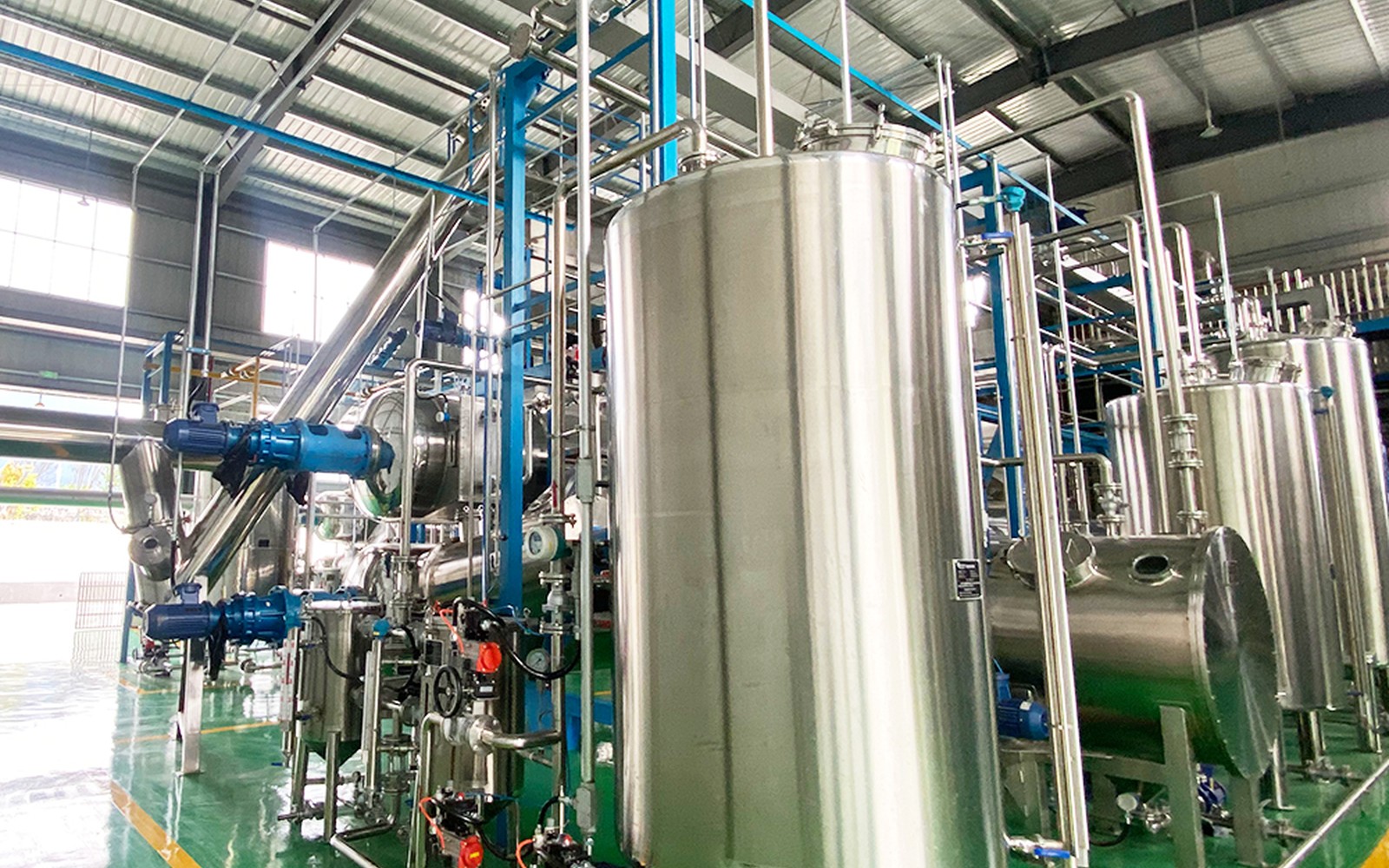
Every production line has a station that limits what the rest of the line can do. Sometimes it is a filler rated at 180 containers per minute feeding a labeler rated at 300. Sometimes it is a manual palletizing step at the end of an otherwise automated line. The upgrade spend that removes that constraint is not a capital expense in the traditional sense: it is a throughput investment, and its payback is measurable in parts-per-hour, cases-per-shift, or OEE points recovered.
Production line upgrade financing is structured specifically for this kind of investment. Rather than treating each piece of equipment as a standalone asset, we look at what the upgrade does to total line output and size the financing around the project. That approach works equally well for a single station replacement, a multi-machine modernization, and a phased retrofit that adds capability over 18 to 24 months.
What Counts as a Production Line Upgrade
The scope of what we finance under a production line upgrade structure is broad. Plants use this program for projects including:
- Bottleneck station replacements: Swapping an undersized filler, checkweigher, or capper for a higher-rated model. A Filling Machine Financing running at 70 percent of line speed is costing you throughput on every station downstream.
- Automation insertions: Adding a Robotic Assembly Cell Financing or vision inspection station to an existing line without a full rebuild. These partial automations often deliver the highest ROI per dollar spent because the surrounding infrastructure stays in place.
- Conveyor and material handling upgrades: Replacing aging belt or roller conveyors, adding accumulation sections, or extending conveyor runs to connect newly added stations. Conveyor system upgrades are among the most common triggers for line financing because they are infrastructure that touches every product.
- End-of-line modernization: Adding or replacing Palletizer Financing, stretch wrappers, or case packers at the back of a line that was originally designed for lower throughput targets.
- Packaging format changeovers: Adding a second packaging line or a quick-changeover machine to support SKU proliferation without dedicating the primary line to changeover time.
Multi-asset packages, where the upgrade involves three, four, or five pieces of equipment from different vendors, are common. We structure those as a single financing facility so you deal with one payment and one closing rather than managing multiple vendor finance agreements simultaneously.
Why Upgrade Financing Is Different from Standard Equipment Loans
A standard equipment loan treats each machine as an independent asset: the lender appraises the collateral, assigns a loan-to-value based on the equipment's resale market, and structures a term accordingly. That model works fine for a single machine with a clear secondary market. It works less well for a production line upgrade where the value of the investment is inseparable from the line it serves.
A filling machine bolted into a beverage bottling line has a different risk profile than the same machine sitting in a warehouse waiting for a buyer. Lenders who understand production environments recognize this. The machines that go into Food & Beverage Manufacturing plants or Pharmaceutical Manufacturing facilities are usually well-maintained because downtime in those environments is extremely expensive. That maintenance culture is an underwriting positive.
Upgrade financing also accounts for the fact that the spending happens in stages. A plant does not always replace five machines at once. More often, it replaces one per quarter as budget cycles permit. A pre-approved upgrade facility lets the plant draw on financing as each phase of the project executes, rather than re-applying every time a new machine is added to the scope.
Timeline and Process for Upgrade Deals
The timeline from initial conversation to funded equipment depends mostly on deal size and how quickly the plant can supply documentation. Here is a realistic picture:
- Under $400,000: Application-only in most cases. One-page application, three months of bank statements, and the vendor invoice or quote. Many deals in this range close in five to ten business days.
- $400,000 to $1.5 million: Two years of business tax returns plus the application. Lenders in this range want to see that the business generates sufficient EBITDA to service the new payment alongside existing debt. Timeline is typically two to three weeks.
- Above $1.5 million: Full credit package with current interim financials, sometimes a site visit or third-party equipment appraisal. These take three to five weeks but the structures available, including sale-leaseback against existing equipment to offset upgrade cost, are more flexible.
For phased projects, we can pre-approve a total facility and document each draw as it happens. That eliminates the re-underwriting friction every time a new phase kicks off.
Sale-Leaseback and Refinancing as Upgrade Funding Tools
If the plant already owns equipment, that iron is a potential capital source. A sale-leaseback converts equipment you own into cash, which you redeploy into the upgrade. The existing equipment goes back on a lease, you get a check at closing, and the new equipment is either purchased outright from the proceeds or layered into the same lease structure.
This approach works particularly well for plants that own older equipment outright because the equipment was paid off years ago. The leaseback releases that dormant equity, funds the upgrade, and the combined lease payment is often less than what a standalone loan on the upgrade equipment alone would cost. Sale-Leaseback are available starting at $50,000 in equipment value.
Refinancing existing equipment debt is another path. If a plant financed equipment two or three years ago and that equipment has appreciated or held value, a Cash-Out Refinance for Production Line Equipment can extract equity from the existing asset to fund the upgrade while keeping the original equipment on the balance sheet. The blended payment may be higher than the original loan, but the net capital deployed in the upgrade comes from the asset itself rather than the operating account.
Get Upgrade Financing Structured Around Your Line
Share the scope of your upgrade, the equipment involved, and your rough project timeline. We will come back with financing structures specific to your situation, including whether sale-leaseback or refinancing against existing assets makes sense alongside the new money. No obligation to receive a quote.
Questions About Production Line Upgrade Financing
Clear answers on equipment eligibility, documentation, timing, and transaction structure before you send the file.
Can I finance an upgrade that involves equipment from multiple vendors on one application?
Yes, and that is usually the better approach. A multi-vendor upgrade financed as a single package means one closing, one payment, and one lien structure. We aggregate the vendor invoices into a total project cost and structure the facility around that number. Trying to finance each vendor separately often results in worse terms on each piece because the lender is evaluating a fraction of the project rather than the full line.
My line is 12 years old. Can I still get financing for an upgrade to it?
Age of the line is not the primary underwriting variable. Lenders care about the age and condition of the specific equipment being financed, the creditworthiness of the business, and whether the plant is a going concern with stable revenue. A 12-year-old line that produces consistent revenue and is being upgraded rather than abandoned is a reasonable risk. An upgrade that is keeping a fundamentally obsolete line on life support is harder to justify. We will give you an honest read on how lenders are likely to view your specific situation.
I want to upgrade in phases over 18 months. Do I have to apply each time?
Not necessarily. We can structure a pre-approved facility for the total project amount with individual draws as each phase executes. Each draw requires a vendor invoice and equipment identification, but there is no full re-underwriting. The facility is committed upfront; you draw against it as the project progresses. This is common for plants running phased line modernizations on a fiscal-year capital budget.
Can I include installation, integration, and programming costs in the financed amount?
To a degree. Most lenders will finance soft costs up to 15 to 20 percent of the total transaction as long as they are directly tied to making the equipment operational. Integration programming for a robotic cell, conveyor installation labor, and machine commissioning fees generally qualify. Pure consulting fees or project management overhead usually do not. Costs above the soft-cost threshold are better handled with working capital or a separate credit line.
We have an existing equipment loan from two years ago. Does that complicate a new upgrade application?
Existing equipment debt is a factor but not a disqualifier. The lender will check whether the existing lender holds a blanket lien that would complicate the new collateral position, and they will run a debt service coverage calculation against your revenue. If your cash flow supports both payments, and the existing loan is performing, the new deal can proceed. Where it creates friction is when the combined payment exceeds what the revenue comfortably covers, or when a blanket lien blocks a clean first lien on the new equipment.
Does upgrade financing qualify for Section 179 deduction in the year the equipment is placed in service?
Equipment placed in service during the tax year and financed through a capital lease or loan is generally eligible for Section 179 deduction up to the annual limit, or for bonus depreciation on the remainder. The fact that you financed rather than paid cash does not disqualify the deduction. Confirm the election with your tax advisor and make sure the structure is a loan or $1 buyout lease rather than a true operating lease, which would leave deductibility with the lessor.
Finance Your Production Line Upgrade Financing
Send the equipment quote, seller details, price, deposit, and delivery schedule. The financing desk will review the file and return a practical next step.