
Manufacturing Market
Cosmetics & Personal Care Manufacturing
Production line financing for cosmetics and personal care manufacturers. Filling machines, mixers, tube filling, labeling lines. $50k minimum, funded in 1-2 weeks.
Start Review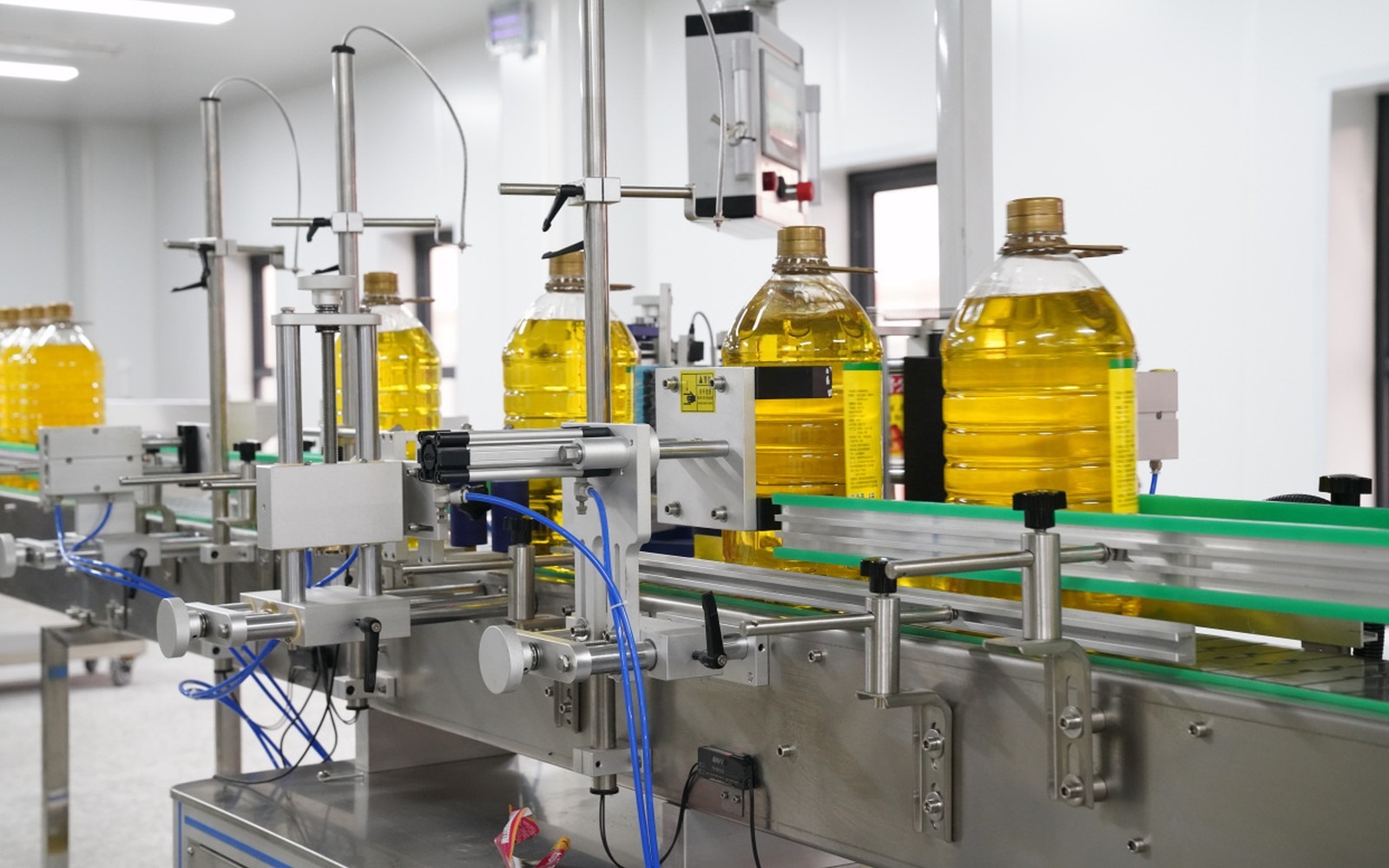
Cosmetics and personal care production puts unusual demands on manufacturing equipment. Viscosity variability across a product line means a filler tuned for a thin toner does not run a thick body cream without a changeover that burns time. Fragrance contamination between batches requires cleaning protocols that cut into shift availability. Regulatory labeling requirements from the FDA, California's Cleaning Product Right to Know Act, and EU Cosmetics Regulation create packaging compliance requirements that feed back into how the line is configured. We finance the production equipment that keeps cosmetics and personal care lines moving: high-shear mixers, Filling Machine Financing for liquid, semi-solid, and viscous products, tube filling lines, Labeling Machine Financing, and Capping Machine Financing. Minimum transaction is $50,000; application-only approval is available up to $400,000; most deals close in one to two weeks.
Equipment the Cosmetics Line Runs On
Mixing and compounding equipment is the upstream asset. Planetary mixers for lotions, creams, and ointments and high-shear homogenizers for emulsified formulas are the workhorses of personal care manufacturing. A 300-liter stainless jacketed planetary mixer for cream production runs $40,000 to $120,000. High-shear dispersers and rotor-stator homogenizers for emulsification range from $20,000 for a small batch unit to $200,000-plus for a production-scale inline system. These are typically bundled with the downstream filling line in the same financing transaction.
Filling equipment for cosmetics spans a wide viscosity range. Piston fillers and peristaltic systems for serums, micellar waters, and thin lotions run at relatively high speeds. Gear-pump and positive-displacement fillers handle thick creams, gel cleansers, and body butters with the precision a cosmetic fill weight spec requires. Tube filling machines for toothpaste, hand cream, and similar products are a separate category; aluminum and plastic tube fillers at production scale run $80,000 to $250,000 depending on tube diameter, fill range, and whether the back-end sealing is mechanical or ultrasonic. Liquid Filling Machine Financing covers the full range.
Packaging at the downstream end involves capping systems for pumps and flip-tops, label applicators for front-back-and-wrap configurations, and cartoning equipment for boxed cosmetics. A pharmaceutical-grade cartoner doing cosmetics work at 40-60 cartons per minute runs $150,000 to $350,000 and is often the most expensive asset on a cosmetics secondary packaging line. Induction sealing equipment for tamper-evident closures is a regulatory compliance investment that has become near-universal in personal care and OTC cosmetics. We finance induction sealers starting at $50,000 as standalone additions to existing lines.
Clean-in-place and changeover equipment is an often-overlooked capital line item. A CIP system for a cream or lotion line reduces changeover time by automating the rinse and sanitize cycle. A CIP-equipped line might need 45 minutes between fragrance families versus two hours with manual cleaning. That improvement in changeover efficiency translates directly to usable shift time and higher OEE. CIP systems landing between $30k and $100k are often bundled into new line financing.
Cosmetics and Personal Care Manufacturers We Work With
Private-label and contract manufacturing is the largest segment. A personal care CMO producing for multiple brands across body wash, moisturizer, and hair care product lines needs flexible filling equipment that can handle SKU transitions without excessive downtime. The business model depends on throughput and schedule attainment; equipment that runs reliably at rated speed is the foundation of profitability in contract personal care work.
Emerging indie brands that have scaled past co-packer volumes and want to bring production in-house are a second segment. A brand doing $5 million to $15 million in direct-to-consumer revenue may find that the margins on in-house production justify a filling line investment, particularly if they are running high-margin skincare products where the ingredient cost is the dominant variable. Equipment financing for newer businesses in this range is structured around the brand's revenue history and growth trajectory rather than a traditional asset base.
Specialty and clinical skincare manufacturers producing dermatologist-recommended or prescription-adjacent products often run smaller batches with tighter controls. Their equipment investment is quality-driven rather than volume-driven, and the asset values reflect that: a precision filling system for a clinical retinol product is different from a high-speed lotion filler for a mass-market moisturizer. We finance both ends of this spectrum.
Pharmaceutical manufacturers that produce OTC personal care products alongside prescription products run licensed facilities and may need to finance packaging equipment that meets both drug and cosmetic GMP requirements. That crossover situation is within our experience.
Structures for Cosmetics Equipment Financing
Transaction size for cosmetics and personal care equipment varies considerably. A small indie brand adding a first tube filler may finance $80,000. A CMO adding a new cream production suite with mixer, filler, capper, and labeler may finance $600,000 to $1.2 million. A large personal care manufacturer upgrading a complete packaging line may bring a multi-million dollar transaction.
For application-only deals under $400,000, the process is a business credit check and asset description, no financial statement required. For larger transactions, three months of business bank statements and business tax returns are standard. Terms run 36 to 72 months on most assets; specialized or high-value equipment may support longer terms. Equipment refinancing on existing paid-down production equipment is available for manufacturers that want to pull working capital out of older lines without disrupting production.
Finance the Line That Runs Your Next SKU
Whether it is a single tube filler or a complete cream production suite, we structure the financing around the equipment and your timeline. $50,000 minimum; application-only up to $400,000; funding in one to two weeks.
Questions About Cosmetics & Personal Care Manufacturing
Clear answers on equipment eligibility, documentation, timing, and transaction structure before you send the file.
We need a filling line that can run both thin serums and thick body butters. Is multi-viscosity equipment more expensive to finance?
The financing cost is based on the equipment value and your credit profile, not the viscosity range. Multi-viscosity equipment that runs across a wide product range typically costs more to purchase (the filler technology is more sophisticated), but there is no financing surcharge for capability. If anything, versatile equipment tends to hold residual value better, which can support a more favorable financing structure.
Our cosmetics company has been operating for 18 months. Can we qualify for equipment financing?
Eighteen-month-old businesses can qualify, particularly under the application-only program for transactions under $400,000. Two years of operating history is the standard threshold for most lenders, but businesses in the 18-month range with solid revenue and a clear production need are considered. We look at the whole picture.
We produce a cosmeceutical line with some products that cross over into OTC drug classification. Does that complicate financing?
The regulatory classification of the product does not affect the equipment financing transaction. Whether you are manufacturing a moisturizer or an OTC acne treatment, the filler and labeler are equipment assets financed on their own merits. The FDA regulatory requirements are your compliance obligation and do not change the structure of an equipment loan or lease.
Can we finance the CIP system separately from the main filling line?
Yes. A standalone CIP system starting at $50,000 qualifies for equipment financing on its own. If you are also purchasing a filling line at the same time, bundling both into a single transaction is simpler and may produce better overall terms. Either path works.
We own a mixer free and clear that is worth about $90,000. Can we use it to get working capital without selling it?
A sale-leaseback on the mixer sells the equipment to a lender at appraised value, gives you the proceeds as cash, and sets a monthly lease payment to retain use of the mixer in your production. The $90,000 appraised value (less any discount the lender applies) becomes working capital while the mixer stays on your floor running product.
Finance Your Cosmetics & Personal Care Manufacturing
Send the equipment quote, seller details, price, deposit, and delivery schedule. The financing desk will review the file and return a practical next step.