
Popular Model
Sidel Combi Blow-Fill-Cap Line Financing
Finance a Sidel Combi blow-fill-cap system. Application-only to $400k, 1-2 week funding, new and used. B/C credit considered. Get a financing quote.
Start Review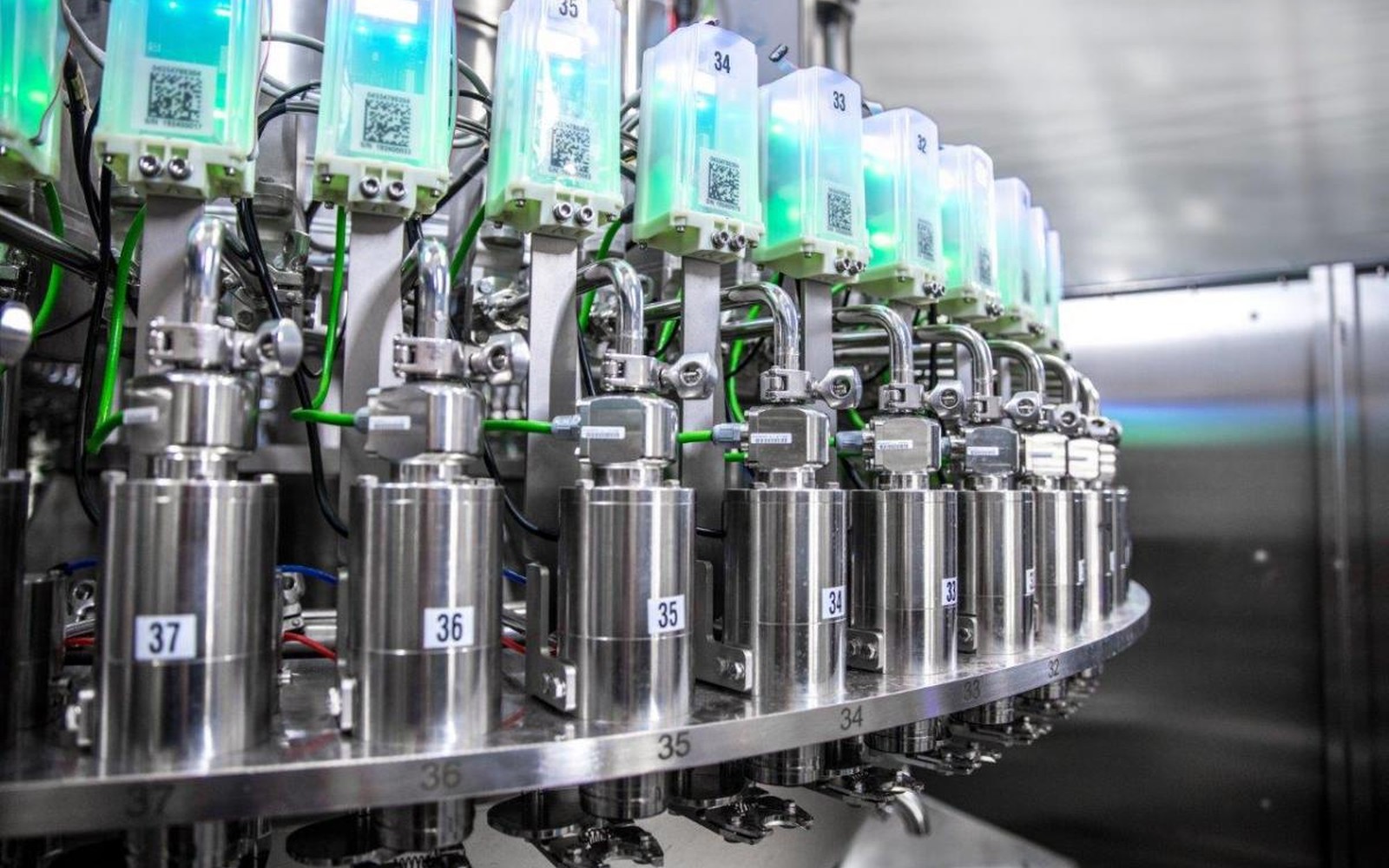
Combining blow molding, filling, and capping into a single hygienic block eliminates the open conveyor transfer between stations that conventional three-machine lines require. For sensitive products like aseptically filled juices, dairy beverages, and still water running in ultra-clean environments, that eliminated transfer zone is not a minor convenience. It is the difference between a process that holds sterility reliably and one that requires extensive environmental control around every transfer point. The Sidel Combi is the machine that operationalized this concept at commercial scale. The system blows the preform, transfers it internally under controlled conditions, fills it, and caps it before the container ever touches open air in a production environment. Output rates for the Combi in various configurations run from roughly 12,000 to 60,000 containers per hour depending on the container size, product type, and hygiene level specified.
The Sidel Combi is a high-value asset. New aseptic configurations with full sterilization modules are in the multi-million dollar range. Even used Combi systems in verified condition command $500,000 to $1,500,000 or more depending on hygiene level and capacity. These transaction sizes require a lender that understands what the machine does and why it holds value, not one that treats it as generic packaging equipment. We specialize in production line financing and have structured deals on Sidel equipment across new, used, and refinanced scenarios. Our minimum is $50,000, the sweet spot for Combi transactions is $300,000 and above, and funding closes in about one to two weeks once documentation is complete.
Combi Hygiene Levels and What They Mean for Value
Sidel offers the Combi in standard, ultra-clean, and aseptic configurations. Standard versions handle still and carbonated beverages where open-environment contamination risk is manageable. Ultra-clean builds add mechanical barriers and air filtration that significantly reduce microbial contamination risk for sensitive products without the full sterilization loop of the aseptic version. Aseptic Combi systems include hydrogen peroxide sterilization of the container interior and fill environment, enabling extended shelf-life products and ambient-temperature distribution of products that would otherwise require refrigeration.
The hygiene level determines the machine's addressable product range and its resale market. Aseptic configurations attract buyers producing ambient dairy, juice blends, and nutritional beverages where the extended shelf life is a distribution and margin advantage. Ultra-clean units serve plant-based beverages, cold tea, and premium water brands. This layered market means a Combi can be repositioned for a different product family without replacing the entire machine, which contributes to its value retention.
For financing purposes, aseptic Combi systems are large transactions that typically require a full financial package. Three months of bank statements and some financial overview of the business are standard inputs. Buyers in the Food & Beverage Manufacturing sector running ambient or extended-shelf-life products are the core profile, but Nutraceutical & Supplement Manufacturing also use aseptic filling systems for liquid nutritionals at commercial scale.
Deal Structure for a Combi Transaction
Combi transactions above $400,000 move through a full underwriting process rather than application-only review. That process requires three months of business bank statements and a brief description of the production project. For established beverage manufacturers with active revenue, underwriting typically takes three to five business days. For newer operations or those with more complex credit situations, additional documentation may be requested, but the process remains clear and the requirements are defined upfront.
Term lengths for Combi financing match the asset's useful life. Sidel Combi systems are engineered for 15 to 20 year operational lifespans with appropriate maintenance, and financing terms of 48 to 84 months are standard for transactions in this asset class. Monthly payment structure is designed around the production economics: a Combi running at capacity generates revenue that makes the payment comfortable once the line is commissioned and running.
For plants that own a Combi outright, Cash-Out Refinance for Production Line Equipment converts the asset's equity into operating capital. If the machine is running productively but the business needs liquidity for an expansion, raw material inventory, or a second line, this is a way to extract value from capital already deployed in the equipment. The Combi stays in production throughout the entire process.
Who Buys and Finances a Sidel Combi
Three profiles dominate Combi purchases. The first is an established beverage producer launching an extended-shelf-life product line that requires aseptic filling capability. They may have been co-packing the product and are now bringing production in-house to improve margin and control over quality and inventory. The second is a contract manufacturer adding aseptic capability to serve CPG brand clients who need that fill technology but do not want to operate their own facility. The third is a large beverage plant replacing an aging aseptic line with a current-generation Combi to reduce maintenance cost and improve OEE on the affected line.
The Sidel equipment family connects the Combi to the broader filling technology ecosystem, and a plant already running Sidel equipment is a natural buyer because operator familiarity and spare parts consolidation are genuine operational advantages. Comparing a Combi transaction to what a Sidel Matrix filler would cost in a conventional three-machine layout sometimes reveals that the Combi's higher capital cost is partially offset by eliminating two separate machine purchases and the conveyor infrastructure between them.
Timeline and What to Expect
We begin with the application and equipment details. For Combi transactions, which routinely exceed the application-only threshold, bank statements are the core document. We do not require audited financials or multi-year tax packages for most production equipment deals at this level. If the business has strong and consistent cash flow, the underwriting process is straightforward.
Approval comes back in three to five business days. Documents are prepared and sent for review. Funding goes directly to the seller once documents are signed, which typically occurs within one to two weeks of approval. For buyers acquiring a used Combi through a dealer where the timeline is flexible, this pace is generally comfortable. For auction purchases with compressed payment windows, contacting us ahead of the sale to pre-qualify the transaction is the right move.
Leasing options include fair market value structures where you retain the option to purchase the Combi at market value at end of term, return it, or renew. This is a reasonable structure for plants that want to manage technology upgrade cycles without committing to full ownership for the life of the asset. Understanding the difference between an FMV and dollar buyout lease helps clarify which structure fits your end-of-term preference before committing to terms.
Finance Your Sidel Combi
Share the machine configuration, hygiene level, and the production project context. We will structure options and get back to you with a term sheet. The process is direct and the timeline is fast.
Questions About Sidel Combi Blow-Fill-Cap Line Financing
Clear answers on equipment eligibility, documentation, timing, and transaction structure before you send the file.
Can I finance a Combi that is still in the factory awaiting delivery?
Yes. Progress payment financing is available for new Combi systems that are in production or awaiting delivery. The structure allows funds to be released in stages aligned with the delivery and commissioning schedule rather than as a single lump sum.
Does the sterilization module affect how the machine is financed?
The sterilization module is part of the integrated system and is included in the financing as a component of the whole machine. It affects the total deal amount and the asset value assessment, but it is not financed separately from the core Combi.
We have a complicated credit history from a previous plant closure. Can we still qualify?
Prior business difficulties are considered in context rather than as automatic disqualifiers. If the current entity has demonstrated revenue and the production project is credible, there is a path to qualification. We work through complex situations rather than rejecting them on a checklist basis.
Can I refinance a Combi that I own to pull out cash for a second line?
Yes. Cash-out refinancing against an owned Combi is available. The machine's current market value drives the loan-to-value calculation, and the proceeds above any existing payoff amount are available for any business purpose including funding a second line project.
Finance Your Sidel Combi Blow-Fill-Cap Line Financing
Send the equipment quote, seller details, price, deposit, and delivery schedule. The financing desk will review the file and return a practical next step.