
Popular Model
Sidel Matrix Filler Financing
Finance a Sidel Matrix filler with terms built for beverage and bottling lines. Application-only up to ~$400k, funding in 1-2 weeks. Explore your options today.
Start Review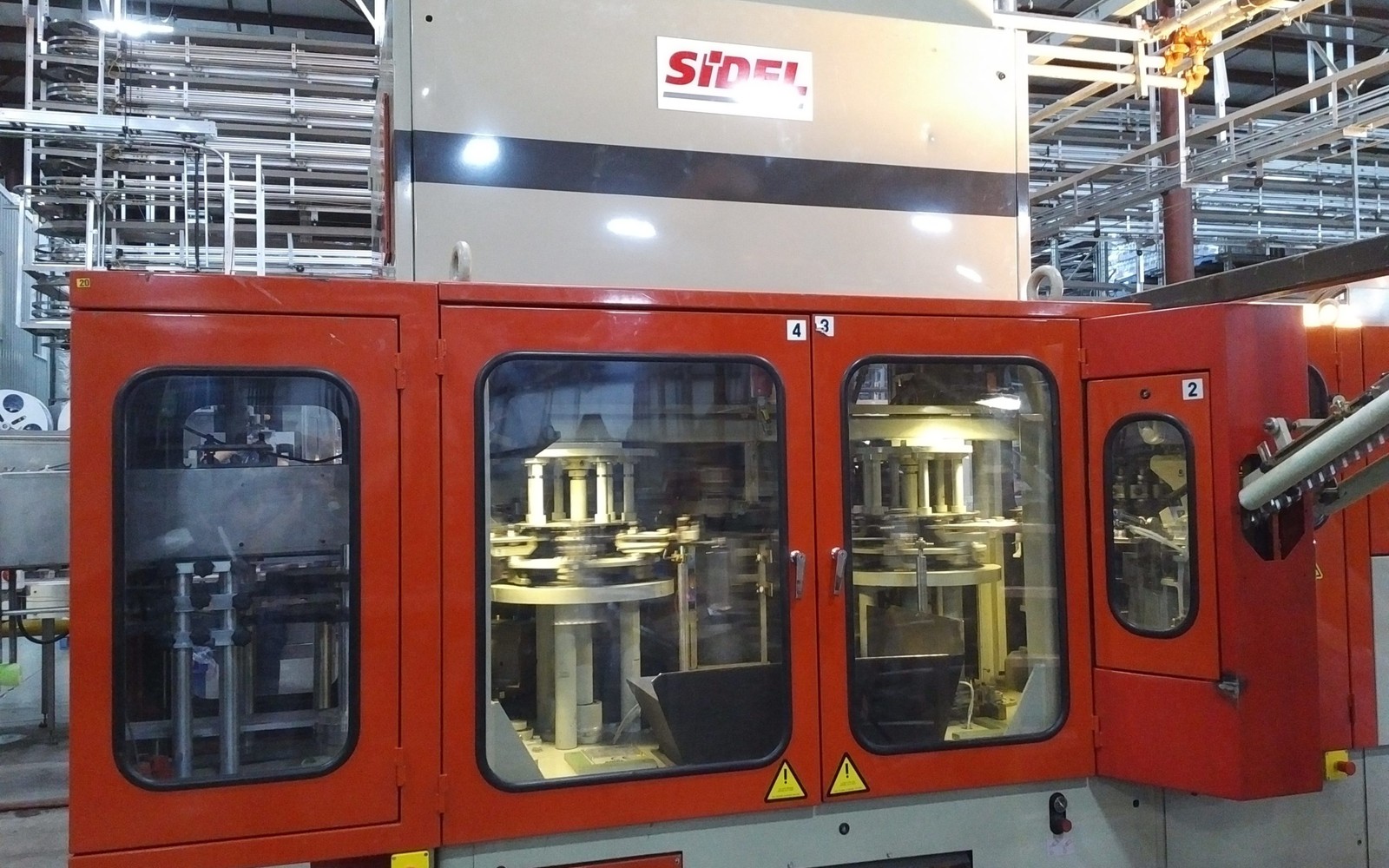
The filler is where the bottleneck usually hides. A Sidel Matrix rotary filler running at 36,000 bottles per hour sounds impressive on a spec sheet, but the moment changeover time climbs or a valve cluster fails, the whole downstream sequence stacks up. That is the machine that earns its cost many times over when it performs and costs far more than its sticker price when it does not. Financing a Sidel Matrix filler through us means the capital question gets resolved fast so the throughput question stays in your hands.
Sidel developed the Matrix concept around a modular architecture that lets operators swap valve types, adjust fill volumes, and run multiple product SKUs on the same platform without a full rebuild. The Matrix CM series handles carbonated beverages while the Matrix VF is configured for still water, juice, and sensitive liquids requiring aseptic or clean-fill environments. These are not commodity fillers. The per-unit price for a new Matrix system sits well into the six-figure range and frequently crosses seven figures when integrated with blow molding and capping into a Sidel Combi block. We work across that entire range, from stand-alone filler acquisitions to full Sidel Combi Blow-Fill-Cap Line Financing for operators building or expanding an integrated block.
What the Matrix Platform Actually Delivers
Sidel positions the Matrix filler as a platform, not a fixed machine, and that distinction matters when you are writing a financing proposal. The modular valve carrier system allows the machine to run different closure types and fill volumes without full mechanical changeover, which directly improves OEE by reducing the time between production runs. The Matrix CM carbonated model uses isobaric filling with a counter-pressure design that maintains dissolved CO2 integrity across a range of carbonation levels. The Matrix VF uses a weight-based or flow-based fill principle depending on the valve package, giving precise volume control for still and sensitive products.
Hygiene design is a recurring selling point in Sidel literature: the Matrix product family carries EHEDG and 3-A certifications on most configurations, and the drip-tray architecture and reduced dead-leg valve design were developed specifically to simplify CIP cycles and shorten the total sanitation window. On a line running two or three shifts, that shorter CIP window translates directly into additional production time per week. Lenders who see this machine on an appraisal know it holds value, which supports collateral positions on both new and used units. If your operation is looking at a pre-owned Matrix system, our Used Production Line Equipment Financing program covers it alongside new acquisitions.
Who Finances a Sidel Matrix Filler
The Matrix filler typically shows up in one of three buyer situations. The first is a greenfield or major capacity expansion: a beverage manufacturer building a new line selects the Matrix platform for its flexibility and buys or leases the equipment as part of the project finance package. The second is a replacement: an aging rotary filler has hit its service life and the operator needs to replace it without taking a large hit to working capital. The third is a contract packager or co-packer adding a dedicated line to win a new brand account. All three situations share one common need: funding that closes before the line schedule slips.
Our minimum is $50,000 and the sweet spot for Matrix filler transactions runs $100,000 to $500,000 or higher for integrated systems. Operators in Beverage Bottling & Canning represent the majority of Matrix filler buyers, but we also see the machine in Food & Beverage Manufacturing facilities processing dairy, juice, and RTD beverages. Both industries rely on consistent fill accuracy and quick changeover, which is exactly what the Matrix platform was engineered to deliver.
Credit profile is not a hard filter at the front of the process. We consider B/C credit on a case-by-case basis, and for transactions under roughly $400,000 we can work from an application alone, without audited financials. Larger transactions include three months of bank statements and a review of the existing asset base.
How the Financing Process Works
The typical Sidel Matrix transaction starts with an application and a summary of the equipment: new or used, model designation, integration scope, and seller or dealer. From there, we structure the transaction as a loan, a lease, or a sale-leaseback depending on what serves the operation best. A loan keeps the asset on your balance sheet from day one, which matters if you want to capture Section 179 or bonus depreciation in the tax year of acquisition. A lease, particularly an FMV lease, keeps the payments lower and gives you flexibility at the end of the term to upgrade, return, or buy at fair market value.
For operators who already own a Matrix filler that is paid off or nearly so, a Sale-Leaseback converts the asset back into working capital without disrupting operations. The machine stays on your floor and on your production schedule while the equity becomes cash in the account. We also offer Equipment Refinancing for operators who financed the original purchase at a higher rate and want to reduce the monthly cost or pull out equity. Funding timeline after approval is typically one to two weeks for new equipment and can be similar for used units where the appraisal is already in hand.
New vs. Used Sidel Matrix Fillers
A factory-new Sidel Matrix filler comes with the full Sidel warranty and any commissioning support included in the purchase contract. The trade-off is price: new integrated Matrix systems regularly exceed $1 million when you account for installation, integration hardware, and controls. Financing a new system typically requires more documentation and a slightly longer process than a smaller transaction.
Used Matrix fillers trade actively through equipment dealers, auction platforms, and direct plant-to-plant sales. A well-maintained Matrix CM or VF unit from a reputable food-grade dairy or beverage plant can represent real value, particularly if the valve carriers and electronics are in good condition. We underwrite used Matrix fillers the same way we approach new ones: the machine's age, documented maintenance history, and current market appraisal all factor into the structure. The Used Production Line Equipment Financing path gives operators access to capital without requiring a new-machine budget. For co-packers and emerging brands watching cash flow, a used Matrix on a working lease can solve the throughput problem at a fraction of the new-equipment cost.
Get Financing Structured for Your Matrix Filler
Tell us the model, the production context, and whether you are buying new or used. We will come back with a structure that fits the line economics, not a generic rate sheet. Our team funds Filling Machine Financing across the bottling and beverage sector every month, and a Sidel Matrix is an asset we know well. Reach out today to start the conversation.
Questions About Sidel Matrix Filler Financing
Clear answers on equipment eligibility, documentation, timing, and transaction structure before you send the file.
Can I finance a used Sidel Matrix filler purchased from an equipment dealer?
Yes. We fund used Matrix fillers acquired through dealers, direct plant sales, and auction. The key inputs are the machine's age, condition, and current market value. A recent appraisal or dealer quote speeds up the process. Used Matrix systems are a common transaction for us in the beverage sector.
Does financing cover the full integration cost including conveyors and controls?
It can. When a Matrix filler is purchased as part of a broader line integration, we can structure the financing to cover the filler, associated conveyors, controls, and installation costs in a single transaction. Bundling the project simplifies the paperwork and usually produces a cleaner monthly payment that reflects the full project cost.
My operation has uneven cash flow across the year. Can the payment structure reflect that?
Seasonal or uneven payment schedules are something we can discuss during structuring. Step-up, step-down, and deferred-start structures are available depending on the lender and the credit profile. This is worth raising early in the conversation so we can match the structure to the actual cash flow pattern of the business.
How long does approval take for a Matrix filler in the $200,000-$400,000 range?
Transactions in that range often qualify for application-only review, meaning we do not require full financial statements. With a completed application and equipment details, approval decisions can come within a few business days. Funding after approval typically takes one to two weeks.
We already own a Matrix filler outright. Can we use it to raise capital?
A sale-leaseback converts an owned Sidel Matrix filler into cash without removing it from your production floor. We assess the current market value of the machine, purchase it from you, then lease it back on terms that fit the operation. The machine stays in place; the capital goes to work wherever you need it most.
Finance Your Sidel Matrix Filler Financing
Send the equipment quote, seller details, price, deposit, and delivery schedule. The financing desk will review the file and return a practical next step.