
Popular Model
Tetra Pak A3 Filling Machine Financing
Finance a Tetra Pak A3 aseptic filling machine. Application-only up to ~$400k, funding in 1-2 weeks. New and used Tetra Pak A3 machines for dairy, juice, and UHT beverage lines.
Start Review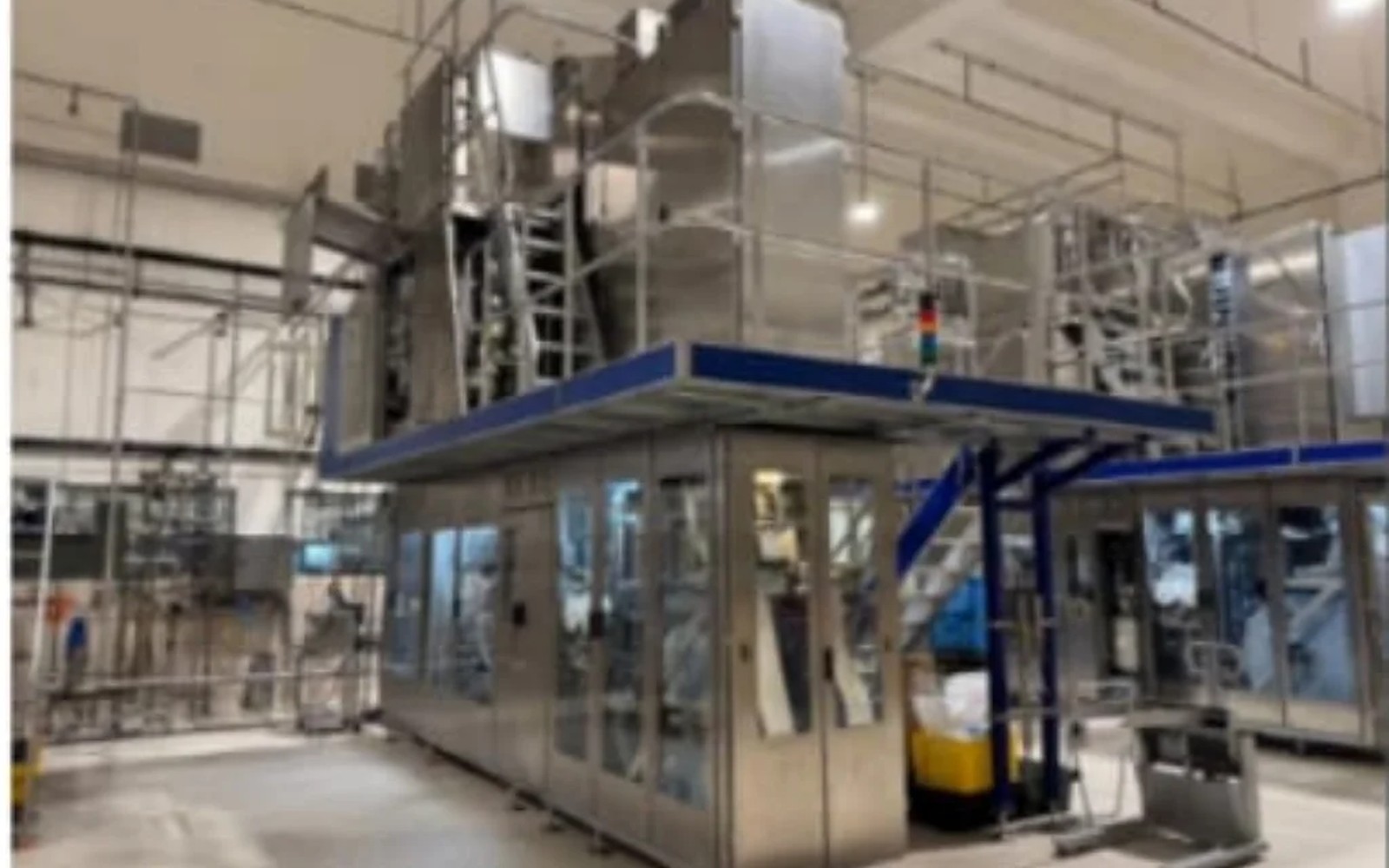
Aseptic filling is a different category of capital commitment than standard ambient filling. A Tetra Pak A3 machine does not merely fill a package; it sterilizes the product, forms the carton, fills it in a sterile environment, and seals it, all in a continuous process that eliminates the need for refrigeration in the distribution chain. That capability commands a price to match. New A3 installations regularly exceed $1 million when you account for the machine itself, the hydrogen peroxide sterilization system, the forming and sealing hardware, and the integration into upstream UHT treatment. Financing a Tetra Pak A3 filling machine gives the capital structure a chance to match the long asset life and the production economics that make aseptic processing worth the investment in the first place.
The Tetra Pak A3 is the company's current-generation aseptic platform, succeeding the earlier A1 and A2 series. It is available in multiple sub-configurations including the A3/CompactFlex, which handles multiple package sizes and shapes on a single machine, and the A3/Speed, optimized for high-volume single-format runs at speeds up to 24,000 packages per hour on standard carton sizes. These machines appear in dairy processing, juice production, UHT milk, plant-based beverage, and liquid nutrition filling applications. We finance the A3 line through our Tetra Pak equipment financing program, which covers the full portfolio of Tetra Pak filling and packaging equipment.
What Makes the A3 a Significant Capital Asset
The Tetra Pak A3 earns its capital cost through product life extension and supply chain simplification. Aseptic packaging eliminates the cold chain for shelf-stable products, which allows manufacturers to reach distribution networks that ambient-sensitive products cannot serve. A dairy processor adding an A3 filler for UHT milk gains access to foodservice, export, and institutional channels that would require refrigerated logistics for pasteurized product. That market access is part of the ROI calculation that justifies the machine cost.
The A3/CompactFlex specifically addresses the SKU proliferation problem. Rather than dedicating a separate filling line to each package size, the CompactFlex allows format changes between Tetra Brik Aseptic, Tetra Prisma, and other carton geometries within a shift. The format-change time and the sterility re-qualification window between formats is a real operational consideration, but the capital efficiency of a single machine serving multiple SKUs is the trade-off most contract dairy and juice processors choose. For Food & Beverage Manufacturing running multiple SKUs on tight capital budgets, the CompactFlex configuration can delay or eliminate the need for a second dedicated filling line. We also see the A3 frequently in Nutraceutical & Supplement Manufacturing facilities filling liquid nutritional products in aseptic cartons for retail distribution.
Residual value on Tetra Pak A3 machines is generally strong relative to other filling equipment categories. The proprietary nature of Tetra Pak packaging, combined with the machine's tight integration with Tetra Pak carton materials, means these machines retain a meaningful resale market supported by active refurbishment programs. That residual value characteristic improves the collateral position for lenders and can translate into more favorable lease structures for operators.
Financing New vs. Refurbished Tetra Pak A3 Systems
Factory-new A3 systems purchased through Tetra Pak come with full warranty support and installation services coordinated by Tetra Pak engineers. The investment is substantial, and for most operators the financing structure is essential to making the acquisition work within a capital planning cycle. New A3 transactions typically run $800,000 to $2 million depending on configuration and integration scope.
The refurbished A3 market is active and credible. Tetra Pak itself operates a certified-reconditioned equipment program, and several independent refurbishers rebuild A3 systems to production-ready condition with documented service histories. A certified-refurbished A3 can run at 50 to 70 percent of new-machine cost while delivering comparable throughput on standard carton formats. Our Used Production Line Equipment Financing program covers both Tetra Pak-certified refurbished units and independently rebuilt systems with documented provenance. The underwriting process for a refurbished A3 focuses on the machine's current condition report, the refurbisher's documentation, and current market comparables rather than solely on the machine's original purchase date.
Credit and Documentation Requirements
Tetra Pak A3 transactions typically involve amounts that exceed our application-only threshold of roughly $400,000. For these larger transactions, we work from three months of business bank statements alongside the credit application. For established manufacturers with clean credit, the process is straightforward. For operations with more complex credit histories, the equipment's strong collateral position and the operator's production contracts can be factors in the structure.
For operations that have carried an A3 on the balance sheet for several years and want to free up that capital, a Sale-Leaseback converts the machine's equity into cash without removing it from production. The asset is sold to the financing entity at appraised value and leased back at terms that reflect the machine's remaining useful life. This is a common route for dairy and juice processors who financed an A3 purchase several years ago, have paid down or paid off the original obligation, and now want to redeploy that capital into expansion or raw material sourcing. The machine keeps running; the cash comes back to the business.
Finance Your Tetra Pak A3 with a Structure That Fits the Production Economics
An A3 installation is a significant capital event. The financing should be engineered with the same care as the line itself. Tell us your configuration, your timeline, and whether you are buying new or sourcing a refurbished unit, and we will put together a structure that works for the asset and the operation. Operators comparing the A3 to the Tetra Pak E3 filling machine for chilled ESL applications should raise that question early; we can help sort the right equipment decision before the financing conversation goes further. Reach out to start the conversation.
Questions About Tetra Pak A3 Filling Machine Financing
Clear answers on equipment eligibility, documentation, timing, and transaction structure before you send the file.
We are buying a refurbished Tetra Pak A3 from an independent refurbisher. Is that eligible for financing?
Yes. We finance independently refurbished A3 systems when the machine has documented service records, a current condition report, and a credible appraisal. The refurbisher's documentation and a brief description of the work completed are the key inputs. Tetra Pak-certified refurbished units move through this process with the least friction, but we work with well-documented independent rebuilds as well.
Does a Tetra Pak A3 acquisition qualify for Section 179 expensing?
An A3 financed through a loan or a dollar-buyout lease generally qualifies for Section 179 treatment in the year of service, allowing you to expense a portion or all of the acquisition cost against taxable income. The limits and phaseouts for Section 179 change periodically, so confirm the current year's figures with your tax advisor before the transaction closes. We can structure the financing to preserve your ability to take the deduction.
Can we refinance an A3 we already own to pull out working capital?
A cash-out refinance or sale-leaseback on an owned A3 is a viable option when the machine carries meaningful equity. We assess the current market value, establish the structure, and fund the difference between the new loan amount and any existing payoff as cash to the business. This is a common route for dairy processors who need capital for raw material procurement or a facility expansion.
How long does it take to close an A3 financing transaction?
A transaction in the $1 million-plus range runs a longer process than smaller applications: typically two to four weeks from a complete submission to funded, depending on lender review, appraisal scheduling, and title clearance on a used unit. For new-machine purchases where a Tetra Pak purchase agreement is already in hand, the process often moves toward the faster end of that range.
Our plant is in startup mode and we do not have three years of financial history. Can we still apply?
Startup and early-stage businesses face a more limited financing landscape on large capital items, but options do exist. A larger down payment, a personal guarantee from principals, or additional collateral can sometimes bridge the gap. We review each situation individually rather than applying a blanket rule. Raising the startup context at the start of the conversation lets us match you with the right program rather than running a standard underwriting process that is not designed for your situation.
Finance Your Tetra Pak A3 Filling Machine Financing
Send the equipment quote, seller details, price, deposit, and delivery schedule. The financing desk will review the file and return a practical next step.