
Popular Model
Yaskawa Motoman GP-Series Robot Financing
Finance a Yaskawa Motoman GP-Series general-purpose robot. Terms 36-72 months, application-only up to $400k, new and used, funding in about 1-2 weeks.
Start Review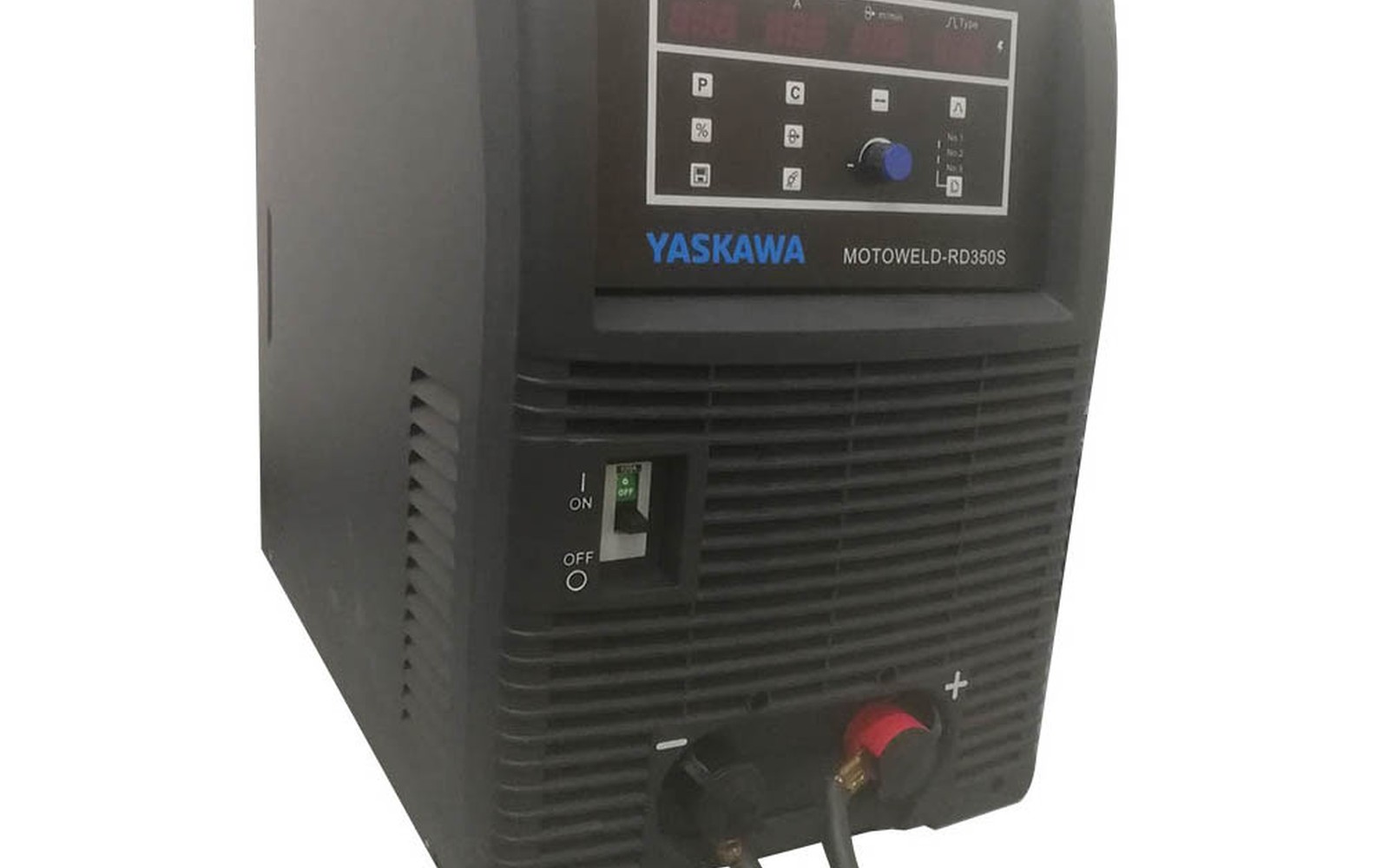
Yaskawa's GP series covers the broadest payload range of any robot family in Motoman's current lineup. From the GP4 at four kilograms up to the GP600 at 600 kg, the GP series is engineered as a general-purpose platform designed to replace older Motoman MA, MH, and MS models while delivering higher speed, shorter cycle times, and a consistent controller architecture across payload classes. That architecture uniformity matters for plants running mixed automation cells because one YRC1000 or YRC1000micro controller type covers the full GP range, reducing spare parts inventory and programming training requirements.
We finance Yaskawa Motoman GP-Series robots for manufacturers across the full payload spectrum. Single-arm cells, dual-arm installations, and multi-robot coordinated systems all qualify. Our minimum is $50,000. Application-only approval runs to approximately $400,000, and most funded deals close within one to two weeks of application. Manufacturers in Pittsburgh, PA and throughout the industrial Midwest and Southeast contact us for Yaskawa financing because we structure the credit around the robot cell's production value, not around the lender's unfamiliarity with the asset class.
GP-Series Configuration Range and What Each Covers
The GP4 and GP7 cover light assembly, electronics handling, and small-part pick and place at payloads four and seven kilograms respectively. Reach on the GP7 is 927 mm in the standard configuration and 1,440 mm on the GP7L long-reach variant. These compact models are common in electronics, medical device, and precision assembly settings where the robot occupies a constrained workcell.
The GP12, GP20, and GP25 address the medium-payload general-purpose range from machine tending to material handling and arc welding. The GP20 in particular has been a high-volume configuration because its 20 kg, 1,717 mm reach combination covers a wide span of applications including welding positioner loading, CNC machine tending, and carton handling for secondary packaging lines.
The GP50, GP110, GP180, GP250, and GP600 serve heavy-duty handling, stamping, casting extraction, and collaborative heavy assembly. At the GP600 level, the robot is handling sub-assemblies and major components in aerospace or heavy machinery manufacturing.
Automotive manufacturers and their supply chains use multiple GP-series robots in the mid-payload range (GP25 to GP110) because the consistent controller means a programmer qualified on one model can support the full family. Electronics manufacturers use the GP4 and GP7 for the delicate, high-cycle handling that their product demands.
How GP-Series Financing Works in Practice
GP-Series cells vary widely in cost depending on payload class, integration complexity, and the number of robots in the cell. A single GP12 cell with tooling and guarding may run $100,000 to $180,000. A four-robot GP110 welding line with positioners and material conveyors can run $600,000 to $1,000,000 or more. Our financing covers both ends of that range; the documentation and approval path scales with the deal size.
For transactions up to approximately $400,000, the one-page application and the project quote start the process. No tax returns, no appraisals ordered by us, no bank commitment letters required at the outset. For larger programs, three months of business bank statements complete the credit package. We turn credit decisions in days, not weeks.
Equipment loans and Equipment Leasing are both available. Many manufacturers choose a loan on automation because ownership transfers immediately and the asset depreciates under their schedule. Others choose a lease when they plan to upgrade the cell within four to five years and want the payment sized against the residual value rather than the full cost. We structure both and put both options in front of you before the transaction closes.
Multi-robot programs benefit from a master credit facility. One approval covers the full program, and draws are taken as each cell is commissioned. This approach is particularly efficient for manufacturers bringing up a full production floor in phases over six to twelve months.
Refinancing GP-Series Robots or Extracting Equity
Many plants running older Motoman or Yaskawa robots from prior generations carry those assets either fully paid off or on aging loan balances. If the robot is fully owned, a sale-leaseback returns its fair market value to the business as working capital while the robot remains in production on a lease payment. Yaskawa Motoman robots have active secondary markets, and a working GP-series robot is a tangible asset with real resale value that supports the leaseback structure.
If the robot carries an existing loan, Equipment Refinancing can restructure the obligation under better terms, extend the term to reduce the monthly payment, or both. Older Motoman robots on high-rate bank loans or equipment lines of credit are candidates for refinancing when the current payoff is materially below the robot's market value.
Operators who want to compare the GP-series to its closest sibling in the market can also look at Yaskawa's MPP3 delta picking robot, which is a different architecture designed specifically for high-speed, low-payload food and consumer goods picking rather than the general-purpose GP-series applications.
Questions About Yaskawa Motoman GP-Series Robot Financing
Clear answers on equipment eligibility, documentation, timing, and transaction structure before you send the file.
Can I finance a mix of GP-series payload classes under one approval?
Yes. A master credit facility covers multiple GP-series models in different payload classes under one credit review and approval. If you are building a line with GP20s for machine tending and GP110s for material handling, both go into the same transaction. You draw from the facility as each cell is commissioned.
We are replacing older Motoman robots from a prior generation. Does the age of the old robots affect the new financing?
No. The old robots are separate from the new transaction unless you are doing a trade-in or sale-leaseback on them. We finance the new GP-series cell based on the new cell's cost and your business's financial position. What you are replacing is operational context, not a credit factor.
Does the YRC1000 controller come with the robot or is it a separate line item?
The controller is typically included in the integrator's cell quote as part of the complete cell price. We finance the complete cell cost including the controller. If the controller is quoted separately, it is still an eligible component of the financed amount.
We want to upgrade to a GP-series cell but our current loan on the old robot still has 18 months remaining. What do we do?
Two options: refinance the old loan alongside the new cell purchase (combining both under a single new term), or pay off the old loan from operating cash and finance only the new equipment. The best approach depends on your available cash, the payoff amount, and the current rate on the old loan. We will run both scenarios.
Does the GP-series work for food-grade applications? Does that change the financing?
Yaskawa offers food-grade and wash-down configurations for several GP-series models. The configuration does not change the financing structure. We note the specification in the file because it can affect secondary-market demand in certain configurations, but it does not change the approval process or terms in a meaningful way for most transactions.
Finance Your Yaskawa Motoman GP-Series Robot Financing
Send the equipment quote, seller details, price, deposit, and delivery schedule. The financing desk will review the file and return a practical next step.