

Manufacturing Market
Electronics Assembly
Production line financing for electronics assembly operations. SMT lines, reflow ovens, AOI systems, robotic assembly cells. $50k minimum, funded in 1-2 weeks.
Start Review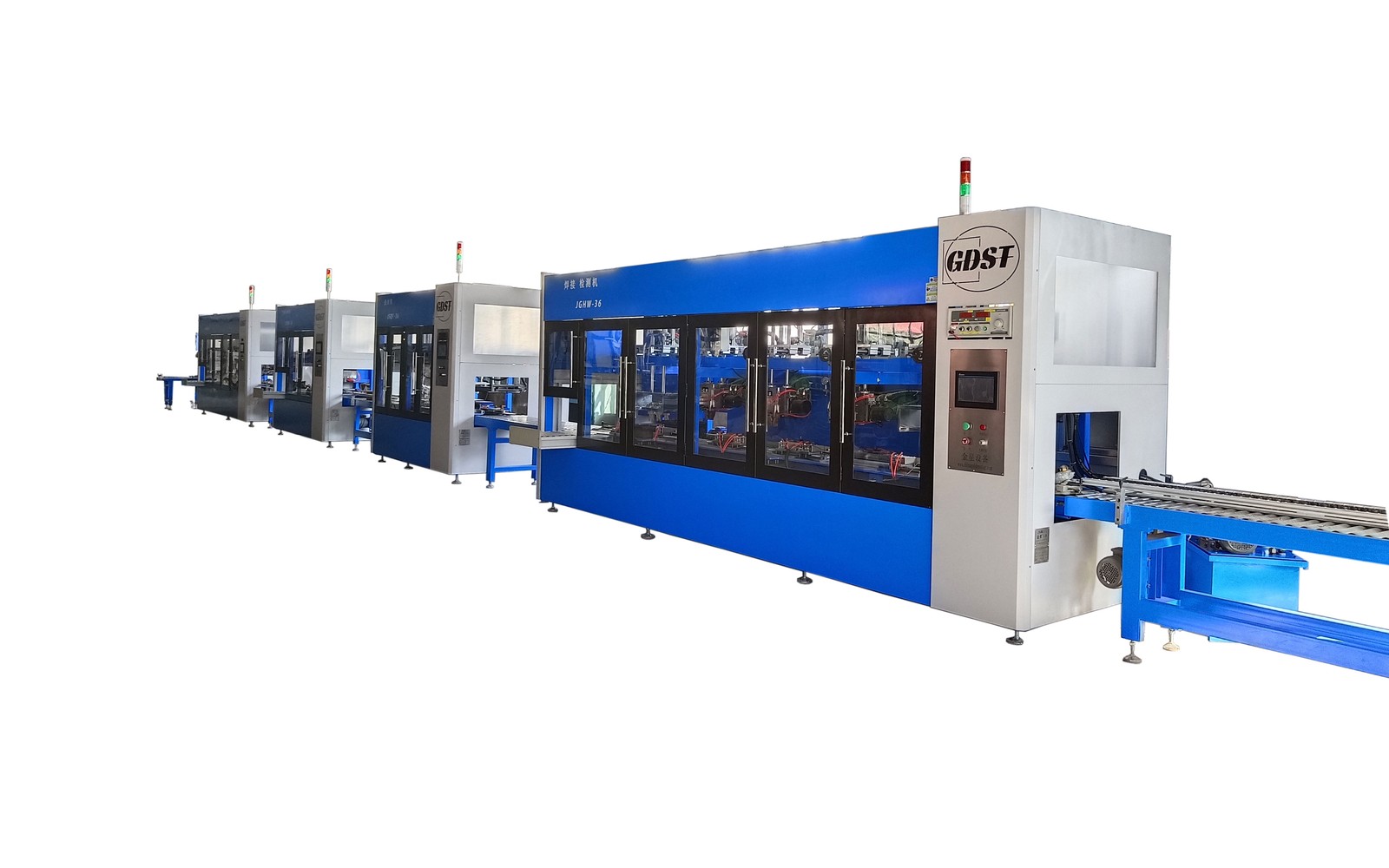
Electronics assembly throughput lives in the placement rate, the reflow profile, and the first-pass yield at optical inspection. A placement machine running 30,000 components per hour against a programmed target of 55,000 is not a machine problem waiting for service; it is a capacity problem waiting for capital. A reflow oven with a worn conveyor belt or inconsistent temperature zone control produces solder joint variation that shows up in field returns, not on the production report. We finance the equipment that runs electronics assembly lines: pick-and-place machines, reflow ovens, automated SMT line systems, Vision Inspection System Financing, selective solder and wave solder units, and the Robotic Assembly Cell Financing that handle final assembly and test. Minimum transaction $50,000; application-only approval up to $400,000; funding in one to two weeks.
Electronics Assembly Equipment We Finance
Surface mount technology lines are the primary asset class. A complete SMT line includes a stencil printer, one or more pick-and-place machines, a reflow oven, and an AOI system. Entry-level production lines start around $200,000 for a basic low-to-mid volume setup. High-volume SMT lines with high-speed dual-gantry placement machines running chips, passives, and odd-form components simultaneously, combined with a multi-zone nitrogen reflow oven and inline 3D AOI, can exceed $2 million for the complete line. Established equipment brands in the SMT space include Panasonic, Yamaha, JUKI, and Heller; used equipment from these manufacturers trades actively and qualifies for our used programs.
Pick-and-place machines are the throughput-defining asset. Chip shooters optimized for 0402 and smaller passives run at high placement rates; flexible machines handling connectors, large ICs, and odd-form components run slower but handle the components that require mechanical precision. Many contract electronics manufacturers (CEMs) run a chip shooter in line with a flexible mounter to balance speed and capability. A chip shooter from JUKI or Panasonic in the 50,000-plus CPH range runs $80,000 to $200,000 new; flexible mounters landing between $120k and $350k.
Reflow ovens are a higher-uptime-impact asset than they appear. An eight-zone lead-free reflow oven at production speed runs 24 to 36 inches per minute through a carefully profiled thermal curve. Zone-to-zone temperature consistency directly affects solder joint quality. A production-grade reflow oven from Heller, Vitronics Soltec, or BTU runs $50,000 to $200,000 depending on the number of zones, whether it is nitrogen-capable, and the throughput width.
Automated optical inspection after reflow is now standard in any electronics assembly operation that cannot afford field failures. Inline 3D AOI systems from Koh Young, Omron, or Saki run $120,000 to $400,000. The 3D systems that measure solder paste volume before reflow (SPI) and joint geometry after reflow are more capable and more expensive than 2D systems, but they catch defects that 2D cannot. We finance Pick-and-Place Machine Financing and inspection equipment in the same transaction when they are part of a line upgrade or new line build.
New Equipment vs. the Used SMT Market
The used electronics assembly equipment market is well-developed. Large contract manufacturers sell equipment from decommissioned lines, OEMs sell equipment when they exit internal manufacturing, and brokers maintain inventories of tested pick-and-place machines, ovens, and inspection systems. A three-year-old Panasonic NPM-D3 or JUKI FX-3 chip shooter in good condition is available in the used market at 40 to 60 percent of new cost and typically supports terms similar to new equipment financing.
The case for new equipment is strongest when the placement technology has advanced significantly from the installed generation, when the warranty coverage is critical to the operation's uptime commitments, or when the customer base requires documentation of equipment age and certification. Many CEMs run mixed fleets of new and used equipment on different lines depending on the product complexity and the customer requirements. Used equipment financing applies the same underwriting approach as new equipment, with adjustments for asset age and condition. We do not restrict programs to new equipment only.
Section 179 tax expensing applies to both new and used capital equipment placed in service during the tax year, which means the used SMT equipment route does not sacrifice the tax benefit. The interaction between equipment cost, the tax deduction, and the financing payment is worth reviewing with a tax advisor before committing to a structure.
Financing Beyond the Standard Equipment Loan
Electronics assembly operations that have accumulated equipment over time often have a mix of owned assets and financed assets on the floor. A CEM that owns a reflow oven and two pick-and-place machines outright can use those assets in a Sale-Leaseback to generate working capital while keeping the machines in production. The leaseback proceeds can fund a new AOI system, a wave solder unit, or build-out costs for expanded floor space.
Production line upgrade financing is structured for CEMs and OEM manufacturers adding capability to an existing line rather than building a new line from scratch. Adding a second placement machine, replacing an aging reflow oven, or inserting a 3D SPI system upstream of reflow are all upgrade transactions that can be financed against the specific asset being added, without requiring the existing line to be refinanced in the process.
For operations adding a complete new line to serve a new customer contract, Equipment Loans covering the printer, placers, oven, and AOI as a package are straightforward to structure. The key documentation is the vendor quotes or a line-by-line asset list with values; we do not require a separate appraisal for new equipment purchased from established vendors at documented prices.
Finance the Placement Capacity Your Next Contract Requires
Give us the equipment list and the timeline. We will return structure options without a multi-week underwriting delay. $50,000 minimum; application-only up to $400,000; most deals fund in ten to fourteen days.
Questions About Electronics Assembly
Clear answers on equipment eligibility, documentation, timing, and transaction structure before you send the file.
We are adding a second SMT line to handle a new CEM contract. The line is being sourced from multiple vendors. Can we finance the whole thing in one transaction?
Yes. Multi-vendor line packages are financed as a single transaction with each asset listed in the equipment schedule. We fund when the equipment is delivered and installed, either progressively as each asset arrives or at final completion depending on the project structure and vendor payment terms.
Our pick-and-place machine is ten years old and still running. Can we finance a newer used replacement that we found at a dealer?
Ten-year-old SMT equipment from major builders qualifies for used financing programs, and the replacement you buy at a dealer does as well. We need the make, model, year, and a description of the condition. Used equipment from reputable dealers typically comes with a short-term performance warranty, which supports the underwriting. Age cutoffs vary by asset type but ten-year-old production SMT equipment from established manufacturers is generally within our program.
We need to add 3D AOI to an existing reflow line. The system alone is $180,000. Do we have to finance the whole line to get terms on the AOI?
No. Standalone AOI system financing starts at $50,000. We finance individual assets added to existing lines; you do not need to refinance the underlying line. Application-only approval at $180,000 requires no financial statements.
Our electronics assembly operation had a difficult year due to component shortages affecting production volume. Will the lender look at our recent financials negatively?
Component shortage impact is a known pattern across the electronics industry and underwriters in this space recognize it. We look at the operational history before the shortage period, the current order book, and the production capacity the new equipment enables. A temporary volume reduction from an external supply constraint is read differently than a structural revenue decline.
Finance Your Electronics Assembly
Send the equipment quote, seller details, price, deposit, and delivery schedule. The financing desk will review the file and return a practical next step.