
Production Equipment
Flow Wrapper Financing
Finance horizontal flow wrappers for food, snack, and consumer goods production. $50k minimum, application-only up to $400k, 1-2 week funding.
Start Review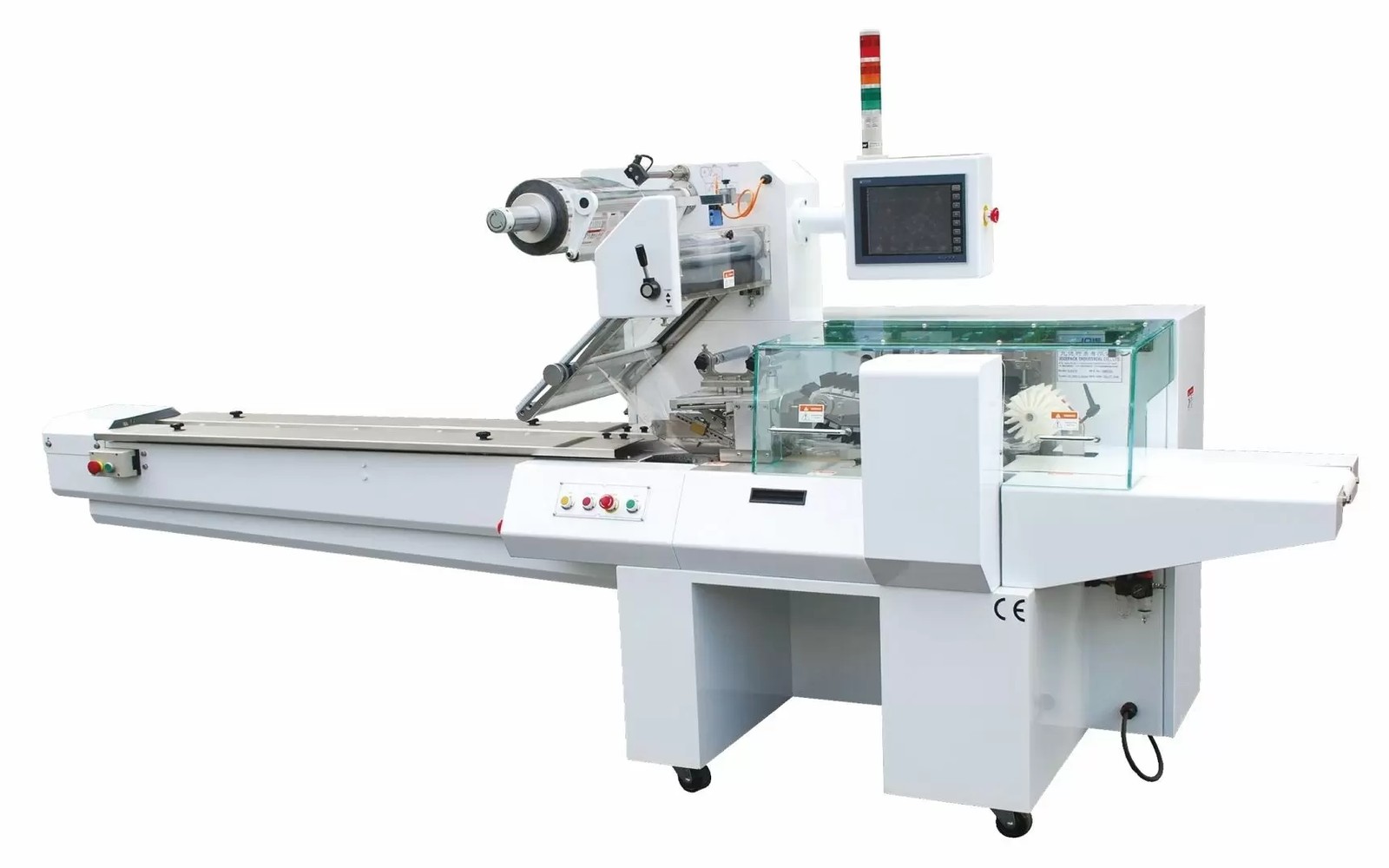
Throughput on a horizontal flow wrapper is measurable to the package per minute, which makes it one of the easiest equipment investments on the line to justify. A faster machine with better sealing consistency reduces rework, cuts film waste, and keeps downstream operations from waiting. We finance flow wrappers across the full range from entry-level manual-feed units to fully automatic servo-driven systems running at 400 or more packages per minute for high-volume snack and consumer goods plants.
The $50,000 application-only floor fits most flow wrapper transactions cleanly. Mid-range automatic horizontal flow wrappers capable of running most film types at 150 to 300 packages per minute sit comfortably landing between $100k and $300k, well inside our application-only approval ceiling of approximately $400,000. For specialty or high-speed configurations, we have structures for larger transactions too. New and used equipment both qualify. B and C credit considered. Funding in one to two weeks from completed application.
Flow Wrapper Technology and Specification Ranges
Horizontal form-fill-seal (HFFS) machines, commonly called flow wrappers, pull film from a roll, form a tube around the product as it feeds through from the infeed conveyor, create a fin or lap seal along the bottom, and cut cross seals at each end. The result is a pillow pack, fin-seal pack, or three-sided sealed bag depending on configuration and film type.
Machine speed is a primary specification. Entry-level semi-automatic machines run 40 to 80 packages per minute. Standard automatic machines with servo drives handle 100 to 250 packages per minute depending on product length. High-speed models for biscuits, candy bars, bakery goods, and similar products reach 400 to 600 packages per minute on the fastest configurations. Speed directly correlates to price: expect $40,000 to $80,000 for basic automatic units and $200,000 to $500,000 for high-speed multi-servo machines with automatic film splicing.
Film compatibility is the other key spec. Machines configured for polypropylene only have narrower application ranges than those built for polyolefin, OPP, BOPP, PE, and laminates. Broader film capability protects the asset's residual value because it is usable across more applications. Lenders notice this when evaluating collateral on used machines. Buyers in Food & Beverage Manufacturing moving from one film type to another as a new customer's spec requires often find that a used machine with broad film range solves the problem more economically than a new single-film model.
Integration points with Checkweigher & Metal Detector Financing downstream are standard in food applications, and the controls architecture affects how the wrapper connects to line tracking systems. More sophisticated controls add to capital cost but reduce integration labor.
Operations That Finance Flow Wrappers
Snack food manufacturers replacing aging machines that produce inconsistent cross-seal quality. Contract packagers adding a dedicated flow wrapper to handle a new CPG account's primary packaging requirements. Bakery operations expanding from one shift to two and needing additional wrapping capacity without doubling the capital already tied up in the existing machine. Nutraceutical and supplement manufacturers who need a machine capable of running metallized film for moisture-sensitive products at precise speeds tied to a weigher upstream.
We also see refinancing requests from operations that purchased flow wrappers outright two or three years ago during a plant expansion. If the machine is in production and has equity, a Sale-Leaseback converts that equity to operating cash without halting production. This approach is common when a manufacturer completes a profitable year and wants to redeploy capital tied up in equipment assets back into the business before year-end.
From Application to Funded
Application-only approval means we assess your business credit and the equipment details without a full financial disclosure package for most flow wrapper transactions. Provide the machine make, model, speed rating, condition, purchase price, and your business tax ID. We return a credit decision quickly, typically within one to two business days for straightforward applications.
After approval, we issue a funding commitment. You confirm the purchase with the seller. The lender pays the seller directly at closing. The machine is yours to install and operate. Payment begins on the schedule you selected at application, running 36 to 72 months depending on machine age, transaction size, and your preference for monthly payment versus total cost of financing.
The Syntegon SVI flow wrapper is one of the most commonly financed configurations we see. If you are evaluating that model, our Syntegon SVI flow wrapper financing page covers specs and typical transaction structures in detail. For a broader view of the Syntegon brand across packaging formats, see our Syntegon equipment financing page.
Get Flow Wrapper Financing Options
Submit the machine details and your business information. We structure options and return a decision fast. Application-only up to $400k. B/C credit welcome. Funding in about 1-2 weeks.
Questions About Flow Wrapper Financing
Clear answers on equipment eligibility, documentation, timing, and transaction structure before you send the file.
Can I finance a flow wrapper being imported directly from a European manufacturer?
Yes, provided the machine is being delivered to a US-based business location and clear title transfers to the buyer (you) at closing. International purchases add a step for confirming customs clearance and delivery, but we have structured these transactions before. The total must meet our $50k minimum.
My flow wrapper purchase includes a new servo-driven infeed conveyor and a reject station. Can the whole project be financed together?
Yes. Ancillary equipment that is integral to the machine's operation, such as a dedicated infeed system and a reject conveyor, can be bundled into a single transaction. The combined total needs to hit our $50k minimum, and we need a line-item invoice covering each component.
We have been in business for four years but had a difficult year that hurt our credit. Can we still qualify?
B and C credit situations are within our scope. We will want to understand what drove the credit stress and whether it is resolved. Three months of current bank statements showing recovery in cash flow helps considerably. The equipment collateral also matters, so a machine with strong secondary market value improves the picture.
What is the difference between financing and leasing a flow wrapper?
A loan puts you in title from day one. You own the machine, claim depreciation, and the lender holds a lien until payoff. A lease gives the lender title during the term, with an option at term end to purchase (at $1 in a capital lease) or return and upgrade (in an FMV lease). The right choice depends on your balance sheet goals, tax strategy, and how long you plan to keep the machine.
Does the machine's film width capability affect the financing terms?
Indirectly. Broader capability adds to residual value, which gives lenders more comfort. Machines configured for a narrow product range have lower resale floors. For used machines especially, this can influence the maximum advance rate the lender is willing to offer.
Finance Your Flow Wrapper Financing
Send the equipment quote, seller details, price, deposit, and delivery schedule. The financing desk will review the file and return a practical next step.